
Why council can go in camera to discuss contracts
This explainer was drafted with assistance from artificial intelligence using Ontario legislation and published guidance from the Ontario Ombudsman, and edited by David Gonczol, editor of The Rustler.
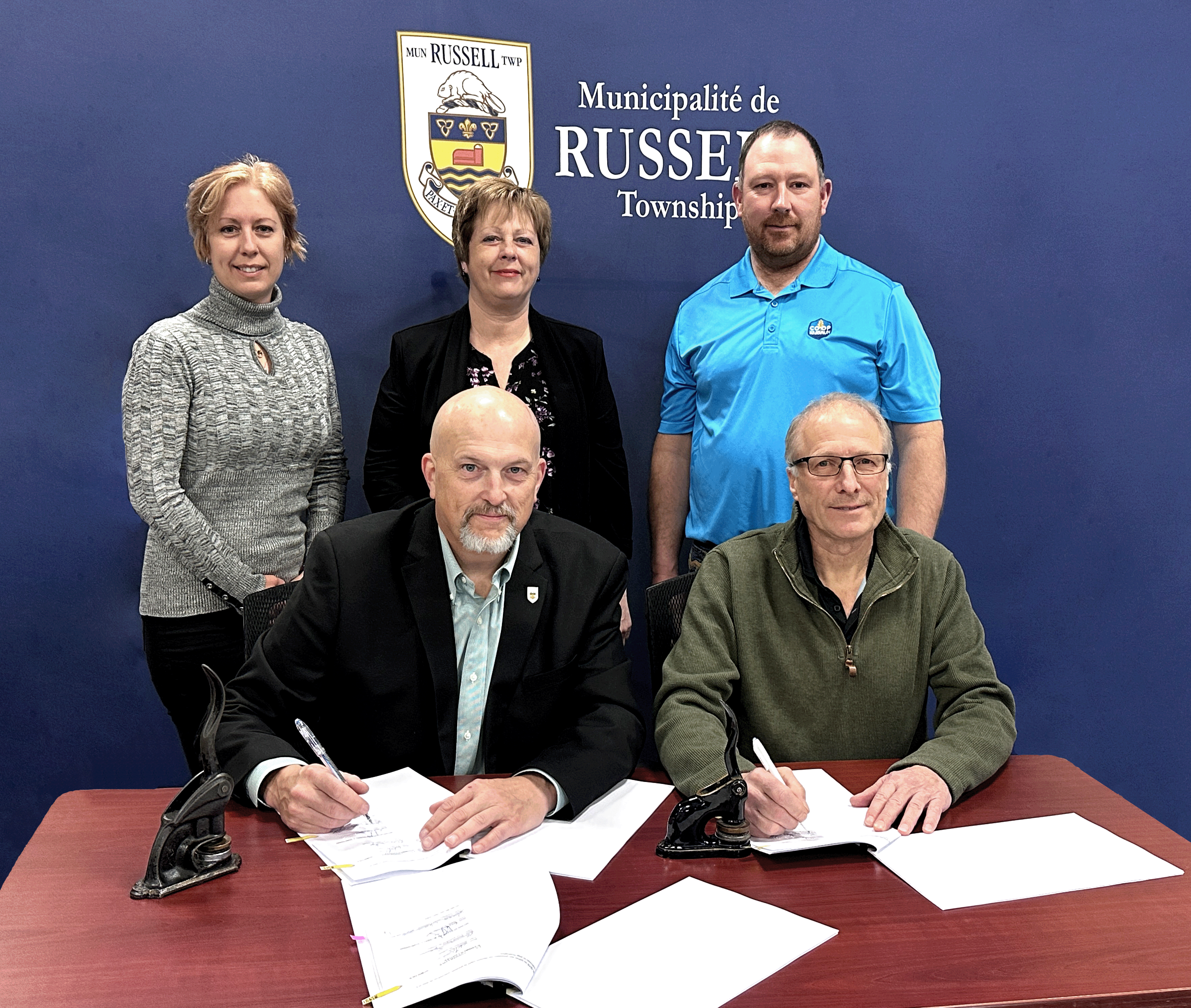
When a municipal council goes in camera, the public leaves for that part of the meeting. In a contract negotiation, the reason can be straightforward: councillors may need to discuss what they are prepared to offer, what concessions they want or what instructions to give negotiators without revealing their position to the other side.
Ontario law starts from the principle that council meetings should be open. Section 239 of the Municipal Act makes specific exceptions, including discussion of positions, plans and instructions for negotiations being conducted, or expected to be conducted, by or for a municipality. A contract does not automatically qualify for an in camera discussion simply because money is involved.
The Ontario Ombudsman explains that the negotiations exception protects a municipality’s bargaining position. Publicly revealing a negotiating strategy could make it harder to obtain favourable terms for residents.
International procurement guidance from the OECD recognizes a similar balance: openness supports public accountability, but disclosing commercially sensitive information can weaken competition. That supports carefully limited confidentiality, rather than secrecy around an entire project.
Before going in camera, council must pass a resolution identifying the general subject of the discussion. Votes generally take place in public, although the law allows limited exceptions for procedural matters and instructions to staff during a meeting that is lawfully in camera.
For the Embrun library, the possibility of a higher price was contemplated before the construction contract was awarded. A March 2025 staff report described proposed lease terms requiring the Co-op to obtain at least three construction bids during a bidding period of three weeks. If costs exceeded $550,000, or 10 per cent above the initial $500,000 allowance, the township would have 15 days to decide whether to proceed.
The provision created a decision point, not an absolute spending ceiling. It did not automatically approve whatever price might be submitted.
The clerk has since confirmed the public motion approved on Oct. 19, authorizing a $925,000 budget and a contract of $883,556.16 with Construction Bois-Francs Inc., both excluding HST. Council also directed discussions about cost savings with the contractor. Those records establish the public funding and contract authorization.
Mayor Mike Tarnowski says the discussion in camera limits what he can disclose about the price.
“I realize this does not explain why the tendered cost came in at that level. Those details formed part of Council's closed-session consideration and must remain confidential.”
Ontario’s law governing access to municipal records permits some records revealing the substance of a lawfully conducted meeting in camera to be withheld. That exemption is discretionary: a document is not automatically confidential simply because it concerns a subject discussed in camera. Other legal protections may apply to qualifying confidential business information.
The distinction is between protecting information that meets a legal exemption and withholding everything about a project. In this case, residents have the public decision and the amounts council approved. The detailed reasons for the difference between the initial allowance and the tender price have not been disclosed.