
How Russell’s bricks helped build a village

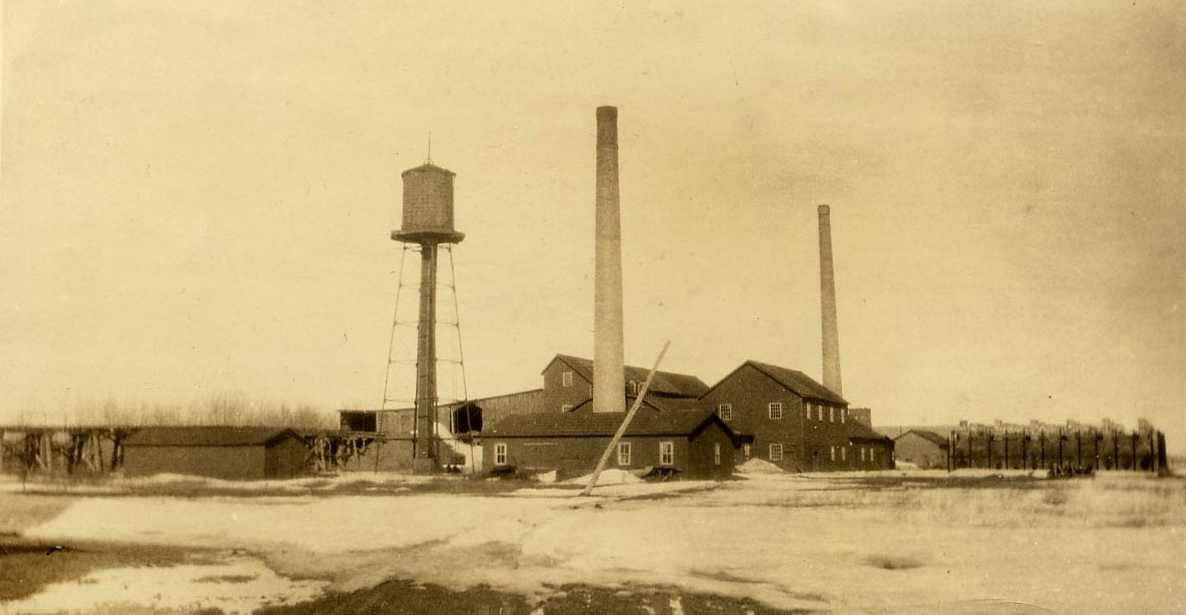
Photographs courtesy of the Russell and District Historical Society, except where otherwise credited.
In his illustrated history, Harry Baker describes bricks shipped by rail to Montreal and New York City and discusses local historian Wendell Stanley’s account linking Russell bricks to the Ottawa Civic Hospital, a connection Baker says remains uncertain.
Baker traces the industry from small nineteenth-century brickyards to the new factory built in 1912. Drawing on Stanley’s account, he describes a plant that employed 125 men at its peak and produced between 50,000 and 65,000 bricks a day.
The story follows the people, clay deposits, shale quarry and railway that supported the industry. It also explains how shale was moved, with steam locomotives, horses and trucks each playing a part over the years.
The photographs and historical accounts that follow document the workplaces and buildings behind that history, showing how brickmaking helped shape Russell’s economy and the village residents know today.
From the village’s early brickyards
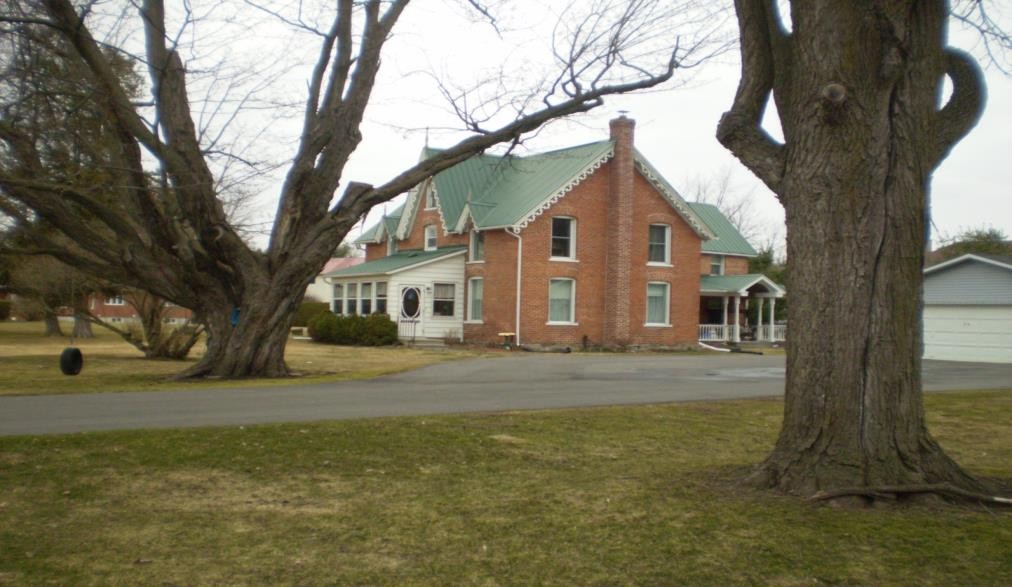
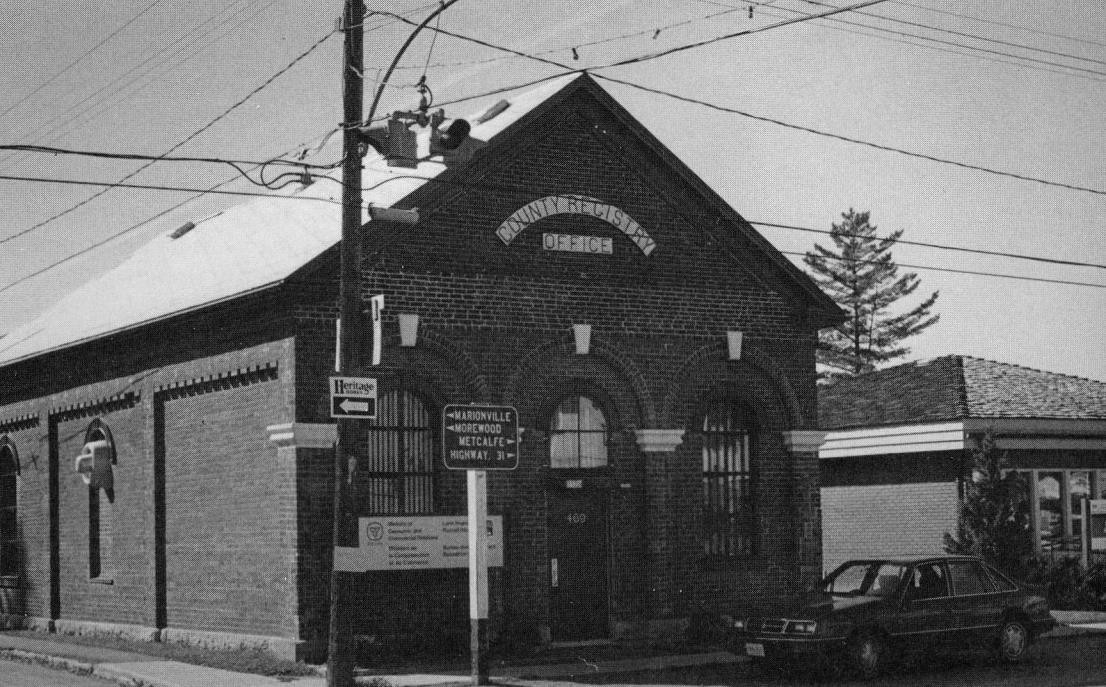
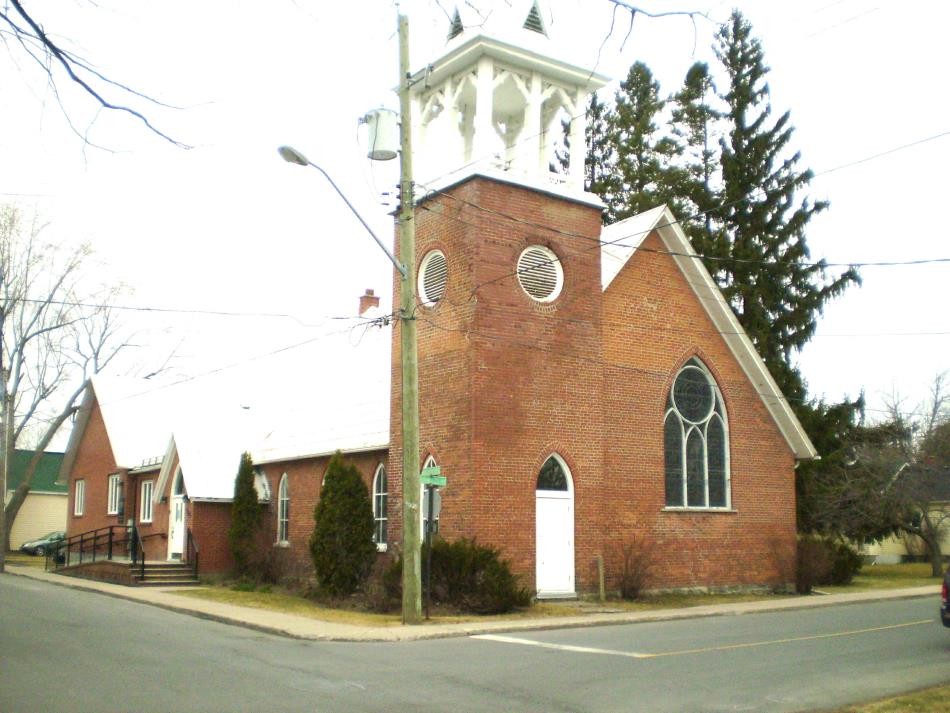
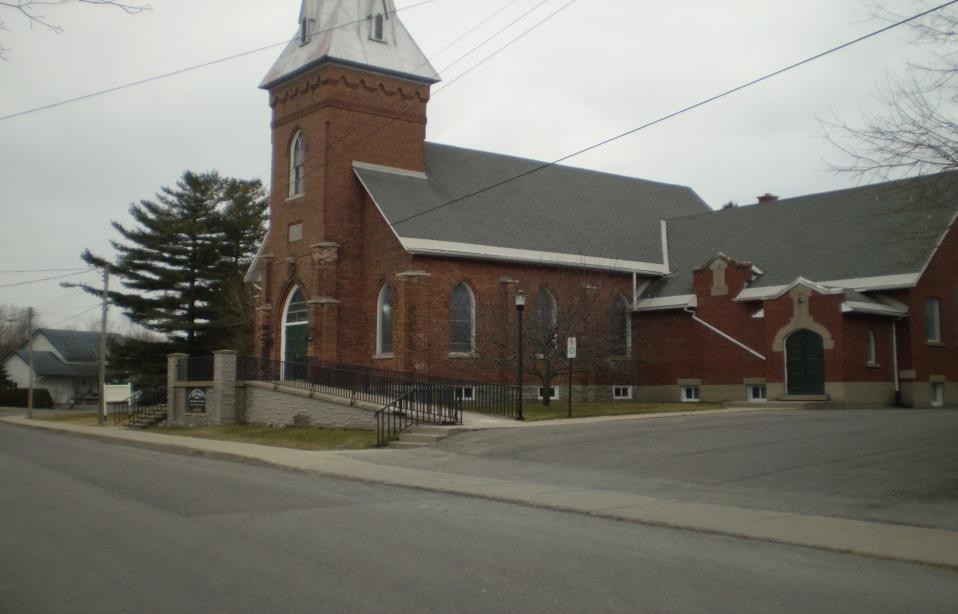
In 1864 Solomon Pillar (Lot 13, Conc. 2) and William Fetterly (Lot 9 in Con.4) were recorded as the first brick layers in the Russell area. Between 1864 and 1907 there were six brick yards owned by: Solomon Pillar, William Fetterly, John Helmer, Horatio Loucks, Hamilton Rombough, and James Turnbull. All were moulding bricks using the local clay. Many of the earlier buildings in the village were built using the early clay bricks.
Use of local shale to improve the quality of the bricks
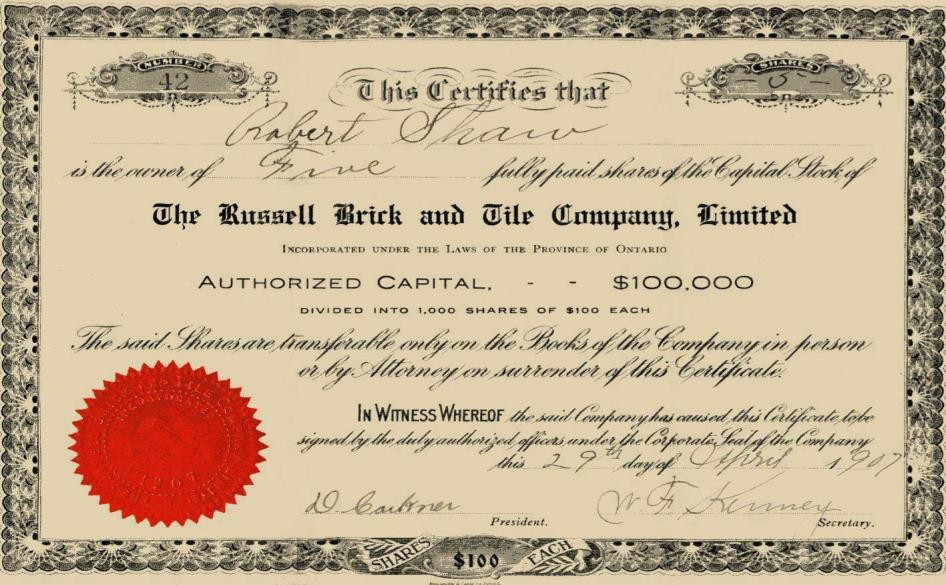
In 1907 the Russell Brick and Tile Company was formed by Dr. D.S. MacDougall, the local medical doctor, as President and Robert Fraser as Secretary. The new company purchased the Loucks’ brick yard and hired James M. Ball a British brick making expert to be the general manager. He determined the local clay, on its own, was too soft and found a good workable clay shale on the farm of George Hay, Lot 18, Con. 3, about two and half miles north of the brick yard and an open pit quarry was started.
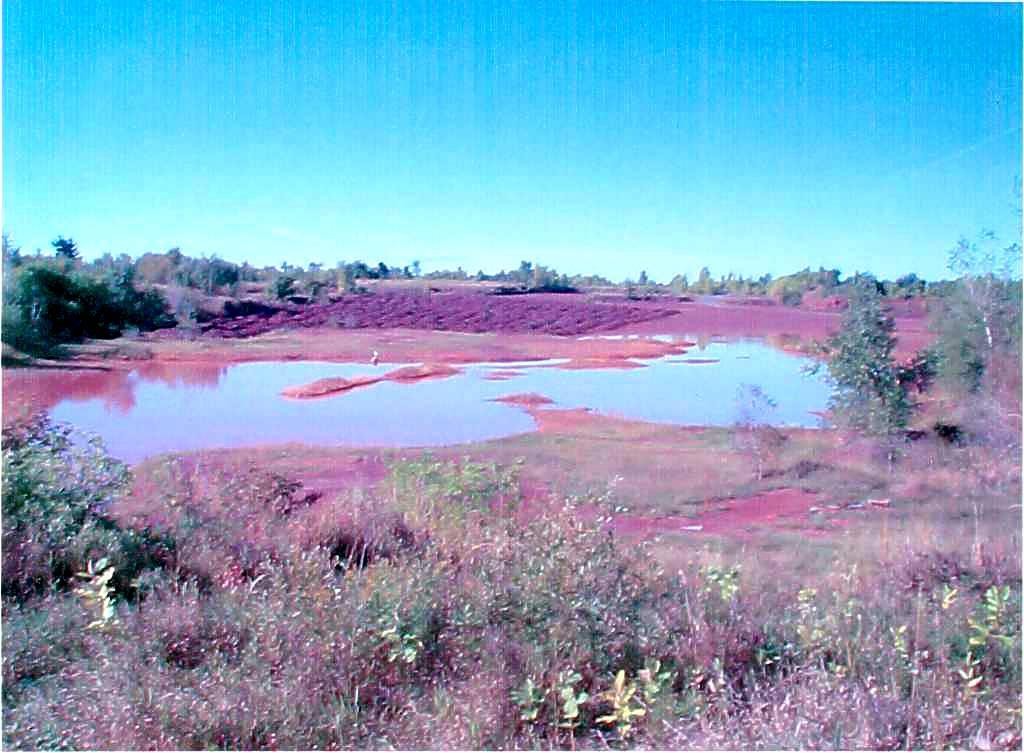
The quarry was located in the red coloured Queenston shale formation, the youngest of all the bedrock formations in eastern Ontario. It is classified as a fragmented compaction shale that has over 60% clay particles and very little natural cementation to hold the particles together. This shale had a unique physical makeup and chemical composition, that when crushed and mixed with clay and water made it ideal for making excellent quality bricks and tiles.
When exposed to natural weathering the shale crumbled very easily. By leaving it outside in piles at the quarry site or at the brick plant the large shale chunks would disintegrate and reduce the requirement for crushing inside the plant. This lack of physical durability made this shale particularly unsuitable for other construction uses such as road aggregate or filter stone.
The quarry work was always a seasonal operation, and the pit had to be pumped out every spring. Several local men including Nelson Rombough, Andrew Fraser, Enos Fetterly, Willy and George Browne found employment with the brick company.
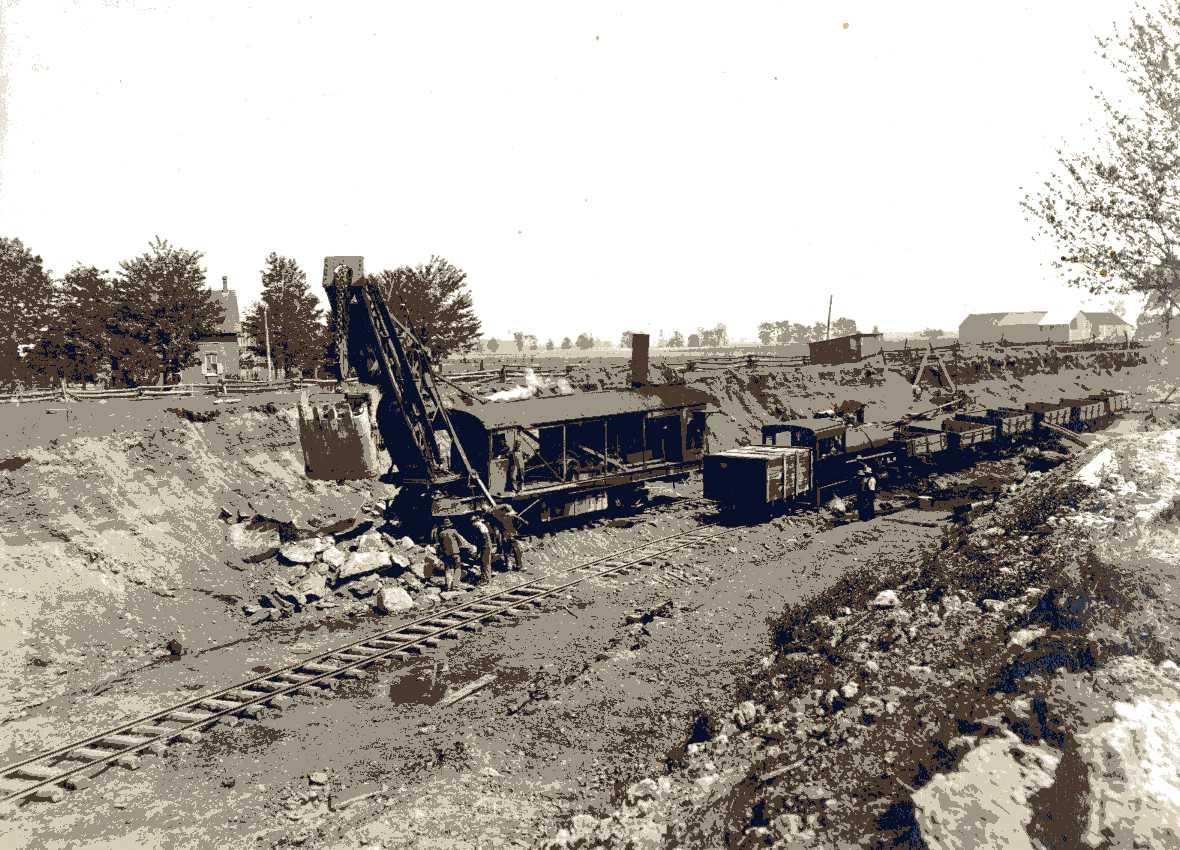
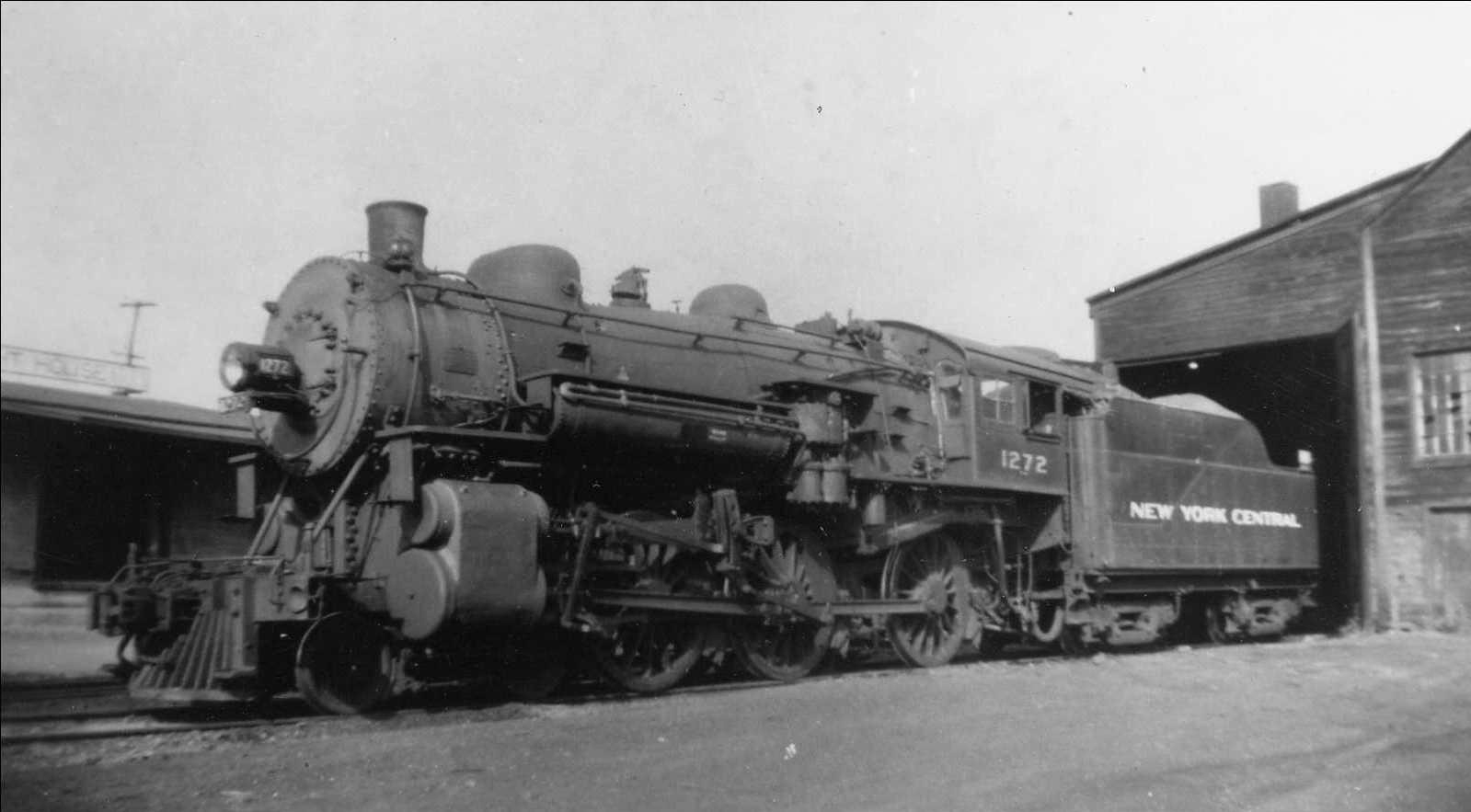
Shale in the quarry was loosened by blasting and in the early years a steam shovel (that moved around the quarry on a narrow-gauge railway) was used to shovel the shale into small wooden side dump cars. The shale cars were then transported down a track laid beside Eade Road to the brick plant located beside the New York Central Railway. A steam locomotive was used to pull the shale cars back and forth between the quarry and the brick plant.
With the opening of the shale quarry, the Russell brick making industry took off. In Wendell Stanley’s history of Russell village and the western part of Russell Township (From Swamp and Shanty, 1987) he credited the brick making industry as being responsible for “literally putting Russell on the map”.
The New York Central Railway was built through Russell in 1898. The railway right-of-way is now used as a fitness trail. This rail connection to the outside world was to have a major influence on the local brick making industry. A plaque commemorating the Russell Shale Brick Company stands along the recreational trail, 300 metres east of Eadie Road.
The quarry steam shovel was brought to Russell on a flat car by the New York Central Railway. The large shovel was moved up the hill to the quarry by laying 60 feet of temporary track ahead of the shovel right up the middle of North Russell road. The heavy machine was pulled by a team of horses to the end of the temporary track and the track was picked up from behind the machine and laid down ahead. It took two full days to move the shovel up the hill to the quarry.
Russell Gets a State-of-the-art Brick Plant
By 1911, a few years after the Russell quarry was opened, the Russell Brick and Tile Co. was sold and the Russell Shale Bricks Ltd. was formed with G.F. Hodgins as President and Annie McPhail as Secretary. They built a new brick plant in 1912 adjacent to the New York Central Railway tracks.
Wendell Stanley in his history of Russell village and the western part of Russell Township (From Swamp and Shanty, 1987) noted that “for its day it was one of the most modern plants of its kind and it attracted skilled workmen from all over England, Scotland and Ireland. At its peak production the plant employed 125 men and produced 50,000 to 65,000 bricks a day. Descendents of those families are still living in the Russell area today.”
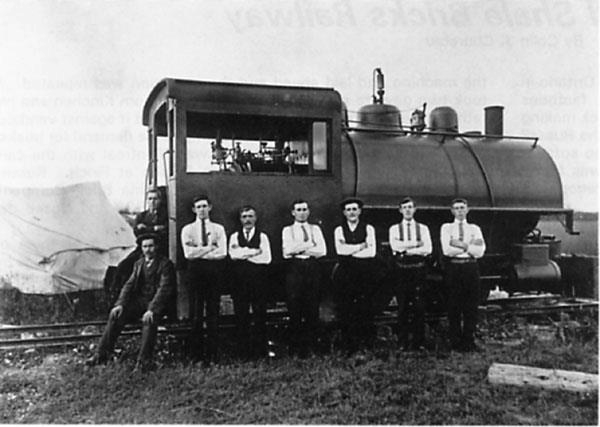
Narrow Gauge Railway
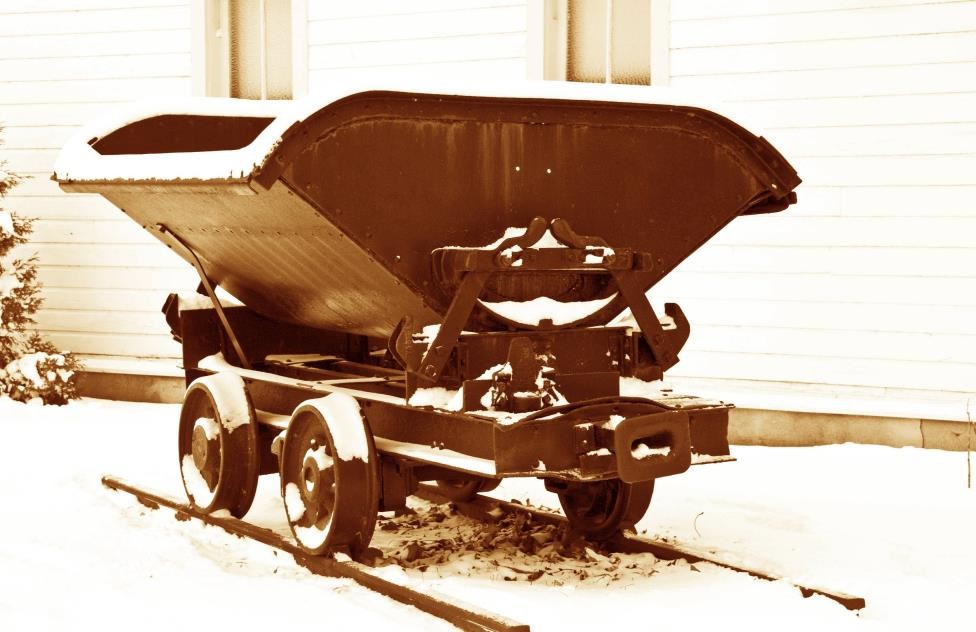
A right-of-way (1 rod wide, 5.5 yds.) was purchased along Eade Rd. between Conc. 3 and 4 and the brick company built a narrow gauge (3ft.) railway to transport shale from the quarry down the hill to the brick manufacturing plant. Small side dump, four wheel cars, were loaded with shale by a steam shovel at the quarry and 16-18 cars at a time were hauled by a 0-4-0 (referring to the wheel configuration) saddle tank steam locomotive down the hill to the brick plant. Each car weighed about a ton and would carry about three and half tons of shale.
On arrival at the plant the locomotive would pull into a siding and push two or three cars at a time up a ramp and the shale was dumped into the crushers.
The early side dumping four-wheeled shale cars had wooden sides and later were replaced with cars made from cast iron.
Finest Quality Brick
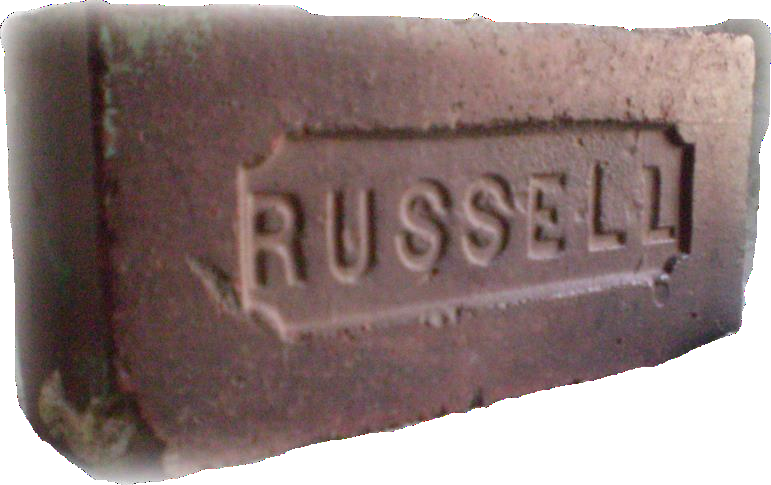
The finely crushed shale was mixed with clay, water and other ingredients and kneaded until it became “pug” a dough-like substance. The pug was pressed into moulds lined with sand. The moulded “green bricks” were air dried and then were fired (baked) in kilns. The mould stamped the name “Russell” on the bricks.
The Russell brick plant had two kilns: a down draft kiln and a side draft kiln. The down draft kiln was considered the better of the two as it produced a more even heat.
When the bricks were baking in the kiln, salt was added through ports which changed the colour of the bricks and made them waterproof.
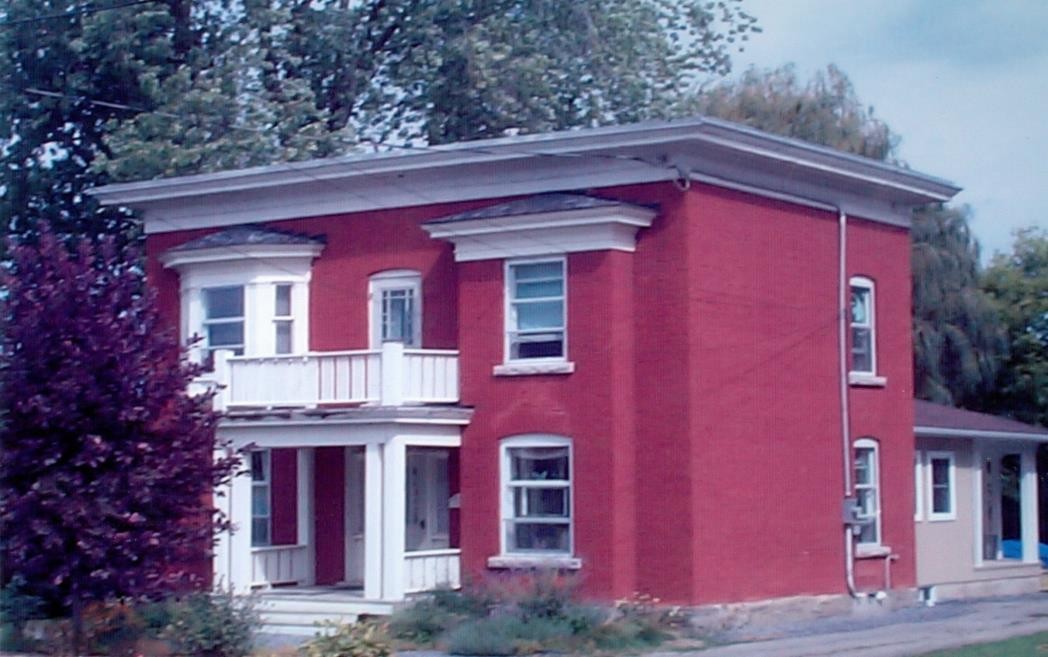
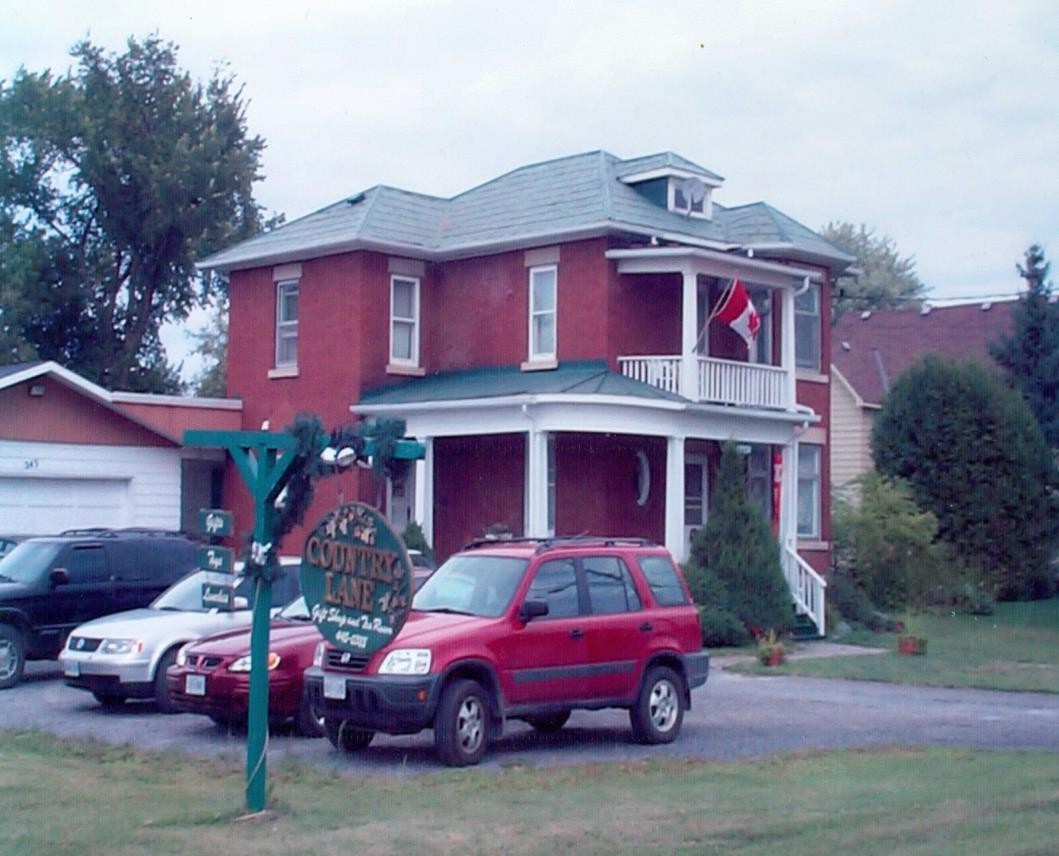
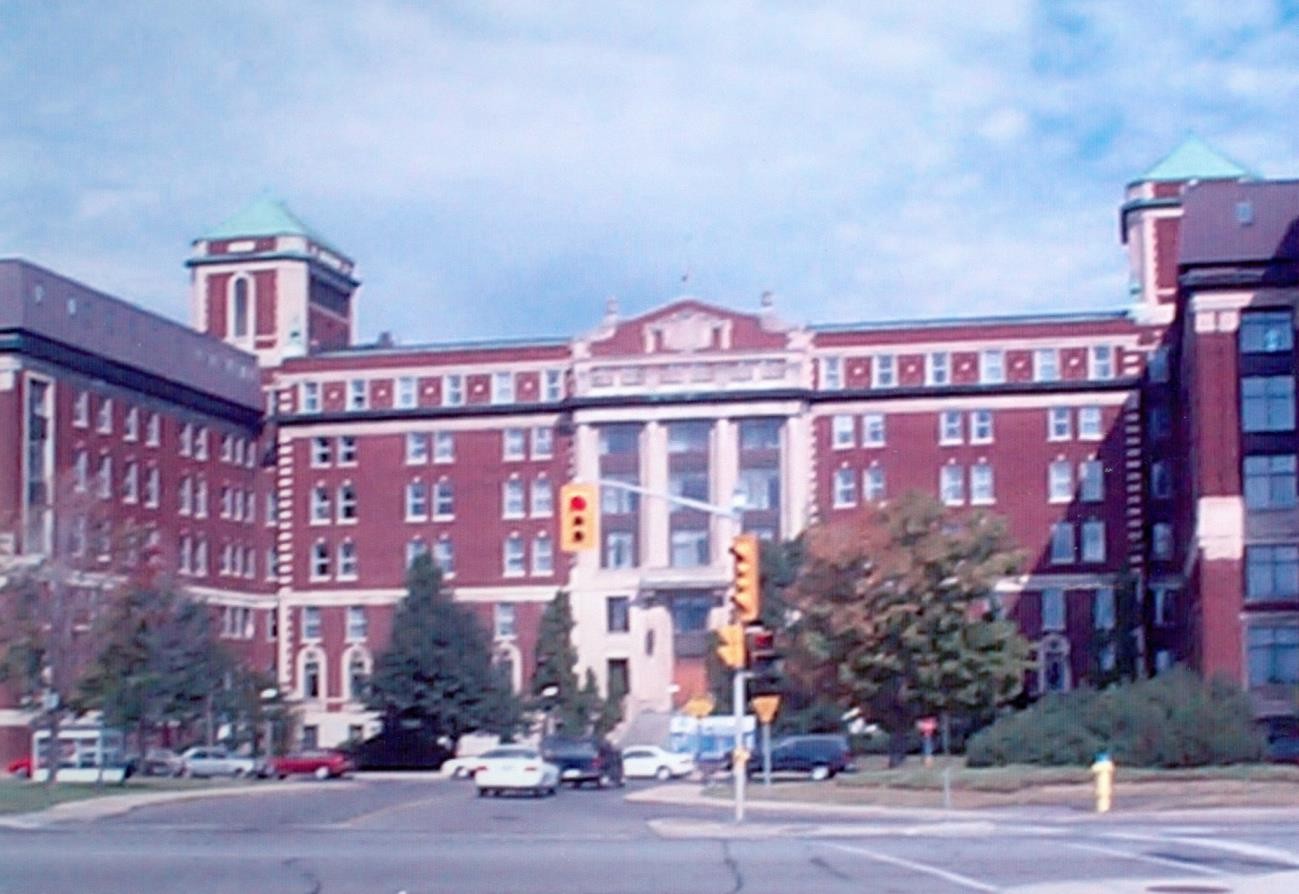
During the years leading up to World War I, some of the finest bricks in the country were now being produced in Russell. The majority of the older brick houses in Russell were constructed from the local brick and bricks were being shipped by rail to Ottawa, Montreal and as far away as New York City. Wendell Stanley reported that the Ottawa Civic Hospital was clad with Russell bricks.
Stanley is my only reference connecting Russell brick and the Ottawa Civic Hospital. Other records suggest that the bricks for the hospital probably came from Ottawa Brick and Tile, owned by Duncan Merkely. I am trusting Wendell’s reference for this inclusion.
World War I brought a slump in building construction as men from all over Canada signed up to serve overseas. At that time La Prairie Brick Company of Montreal owned a majority of shares in the Russell Brick and Tile Co. They kept their Montreal plant open and closed the Russell plant.
During the First World War 1914-1918 and up until 1929 the Russell brick plant and quarry remained closed. The people of the Village of Russell organized and sent the company a petition with 900 signatures to try and keep the plant open, but to no avail.
In 1929 the plant and quarry were sold to the Zagerman Brothers of Ottawa and then resold to Ottawa Brick and Terra Cotta Tile Co. Ltd. owned by Duncan Merkely. The new owners tore down the Russell brick plant and began shipping shale from the quarry to their own brick plant at Billings Bridge (where Billings Bridge Shopping Centre is now situated).
Duncan Merkley shipped the Russell shale from the quarry on the narrow gauged railway, loaded it on rail cars and shipped it to Ottawa on the New York Central Railway.
Real Horse Power
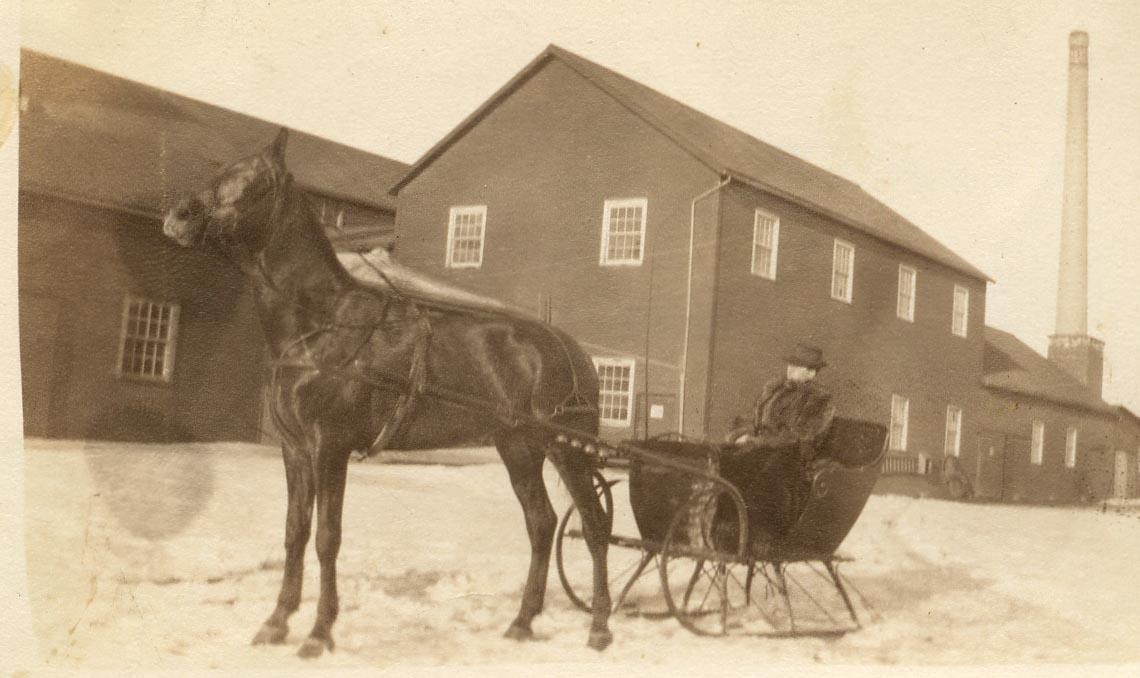
The narrow gauge steam locomotive which terrified the local horses was replaced in the early 1930’s with a gasoline engine and was used only for a short time until the narrow track deteriorated. It is speculated that the locomotive was either sold or cut up for scrap by Zagerman Brothers of Ottawa.
In 1931, Jack Eastman from Marvelville got the contract to move shale from the quarry to the New York Central depot. For a period of seven years, he used a team of grey horses named Jack and Prince to pull the shale cars. The horses would pull two cars at a time up out of the quarry and when they had assembled six cars they would pull them to the highest point of the railway line. The teamster would pull the pin on the whippletree and the horses would step aside and let the cars coast down the hill for about a mile. The team of horses would walk beside the cars and when the cars rolled to a stop they would hitch up again and pull the cars the rest of the way to the depot. When the cars were dumped they would pull them back up to the quarry again.
By 1938, Jack Eastman purchased a 1937 Maple Leaf truck and trucked the Russell shale directly to the Billings Bridge Plant.
Succession of Owners and Brick Plants
Shale was trucked continuously from the quarry to a succession of brick manufacturing plants.
Domtar purchased the Russell quarry and Billings Bridge plant in 1960 and built a new brick making plant in Gloucester (corner of Rideau Road and Hwy 31). They increased their property at the Russell quarry site by purchasing the west half of Lot 18 and also the property across on the east side of Eadie Road in Con.4.
In 1997 Domtar sold the whole operation to Canada Brick. In an Ottawa Citizen Article dated 22 Sept. 2001, Kathryn Young described the 40-year old brick plant (with shale from the Russell quarry) “producing 40 million bricks per year and serving a thriving market in eastern Ontario, western Quebec and New York State.”
Canada Brick was purchased by Hanson Building Products North America in 2005 and in 2007 closed the Gloucester brick making operation. The Hanson website indicated that “due to the plant’s location and shifts in the market demand, it is no longer feasible to maintain production at a level that would enhance Hanson’s competitiveness in the market. Hanson would focus its brick production out of their other plants in Aldershot and Burlington in Ontario and its La Prairie, Quebec, plant.” This was the same plant that caused the Russell quarry to be closed at the beginning of World War I.
A year later in 2008, the Russell shale quarry was sold to 2122063 Ontario Inc. along with the quarry aggregate extraction license in 2009. The numbered company changed its name in 2010 to Taggart-Miller Environmental Services and proposed to build a waste diversion and disposal operation (a landfill) on the quarry site. This project was vigorously opposed by local residents through a campaign called “Dump the Dump Now”. In June 2012, Taggart-Miller announced they were considering an alternative site at Boundary Road inside the City of Ottawa. In February 2013, they decided that Boundary Road was their preferred site. According to Baker, the North Russell Quarry site remains owned by Taggart-Miller and its future is undecided.
Epilogue
The Russell shale quarry, the narrow-gauge railway, the Russell brick plant and the New York Central railway that carried the shale and bricks far and wide are a wonderful heritage that our little Village of Russell should cherish forever.
Article by Harry Baker. Photographs courtesy of the Russell and District Historical Society, except the restored shale car photograph credited to Dana S. Baker.
Sources
Chronology sources: City of Ottawa report ACS2012-COS-ESD-0024, October 16, 2012, pp. 7 and 16, dates the alternative-site announcement to June 6, 2012. Consultation record, Appendix J, PDF p. 70 / Vol. II-878, records the February 2013 preferred-site selection.
Plaque location: Township of Russell: Russell Shale Brick Company.
Footnote
Harry Baker presented this information in a roughly 15-minute talk about Russell bricks at the Russell Museum during Russell Heritage Day on September 19, 2026. He is a past president of the Russell and District Historical Society.