
Nation fire review weighs staffing, response times and future equipment needs
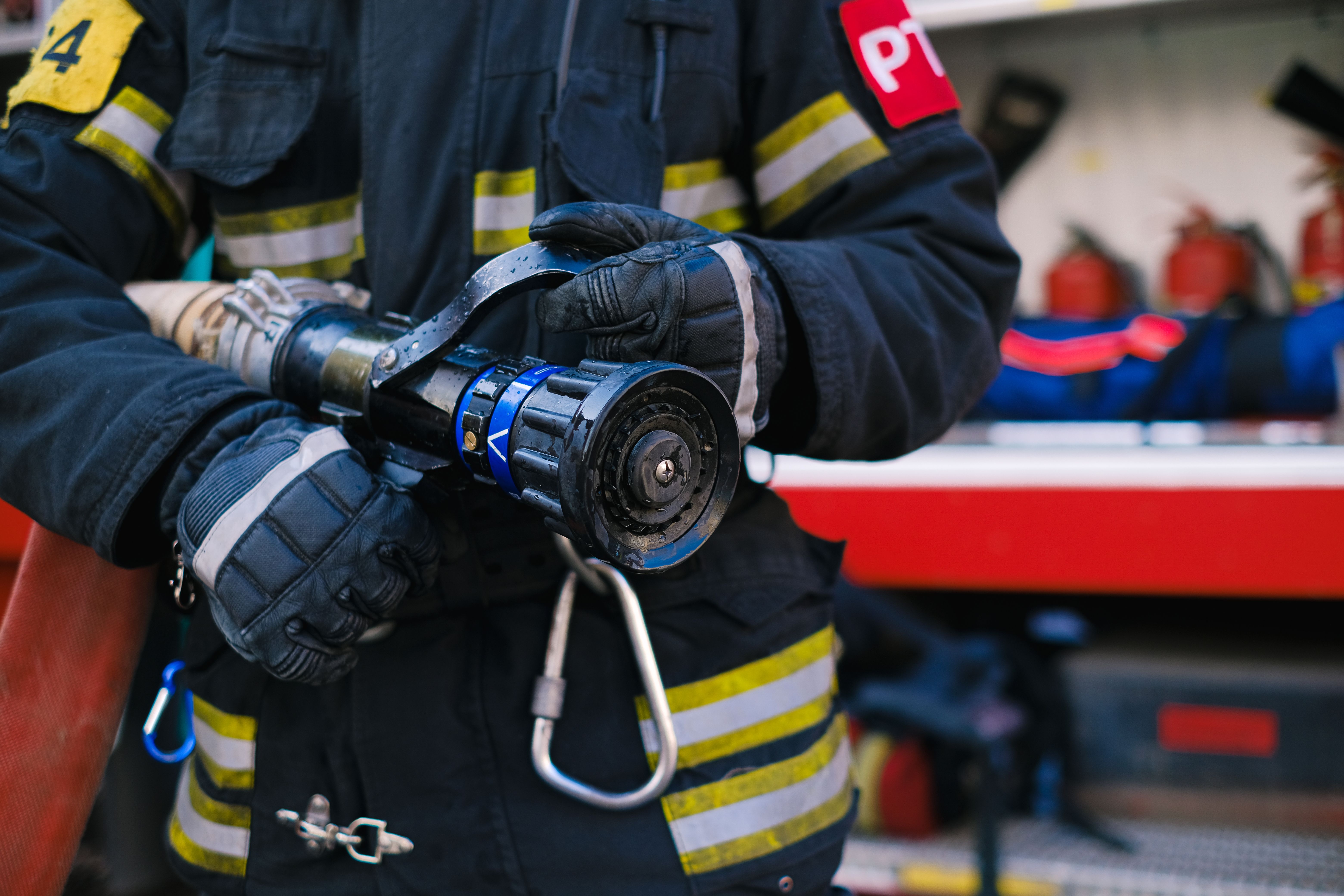
The Nation Township is reviewing how it delivers fire services to meet population growth, recruitment challenges, and changing demands.
The Fire Services Delivery Review will examine firefighter availability, station coverage, equipment and the service for the growing municipality. Fire Chief Martin Rousseau said he intends to bring options to council in the first quarter of 2027.
He said retention has been good but recruitment has been challenging in some parts of the municipality over the past two years and experienced firefighters “eventually reached the point” where they decide to leave after years of service.
“We’re asking tremendously out of our volunteers. It’s having a toll on them and on their families.”
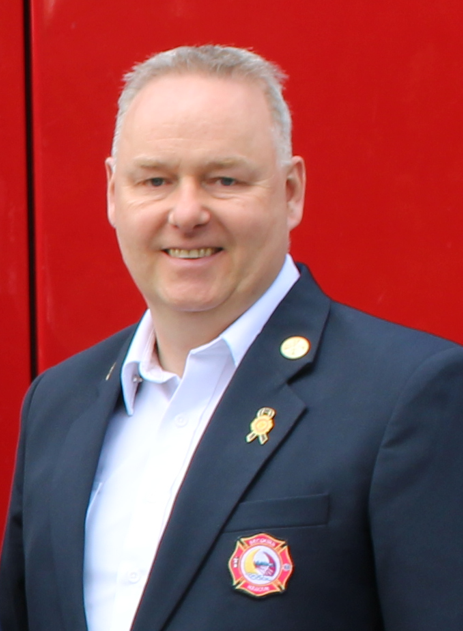
The Nation’s volunteer firefighters do receive some pay but most have other jobs so their availability changes throughout the day. Even a well positioned fire station can lack available firefighters and equipment. The municipality’s size adds another challenge as its fire service covers growing communities and farms spread across a large rural territory.
Rousseau said the work is mostly being done internally with outside specialists handling technical analysis that the department cannot reproduce like mapping travel times from fire stations to different parts of the municipality. The analysis will be considered alongside population density, community risks and historical emergency calls to assess where resources are needed.
A review of this scale has not been conducted since the townships of Cambridge, South Plantagenet, Caledonia, and the village of Saint Isidore were amalgamated in 1998. The current review is partly driven by growth in Limoges and the municipality’s industrial park. The former fire departments were consolidated in 2004. The Nation currently operates four fire stations.
Evolving training and certification requirements are increasingly geared towards vehicle collisions, medical calls, people who become trapped and reports of unexplained smells.
“In fact, it’s less fires and more of everything else.”
The review will also guide long term equipment purchases over the next ten to twenty years and the municipality will consider purchasing specialized equipment or simply arranging access through other nearby fire services. Rousseau said adjoining fire services are already working together by sharing things like tanker trucks. Agreements with neighbouring municipalities could also help provide coverage in areas where another service can arrive before The Nation’s crews. A good example of this coordination is the work that various agencies do to respond to emergencies at Calypso Water Park.
Rousseau said his responsibility is to assess whether the department can deliver the services council has authorized, identify options and explain their costs. Council then decides what services it wants and how to support them.