
If rural wells run dry, homeowners could face the bill for water on their own
Ottawa councillor warns persistent shortages could create pressure for costly municipal extensions. One Ontario proposal put the estimated household assessment at nearly $80,000.
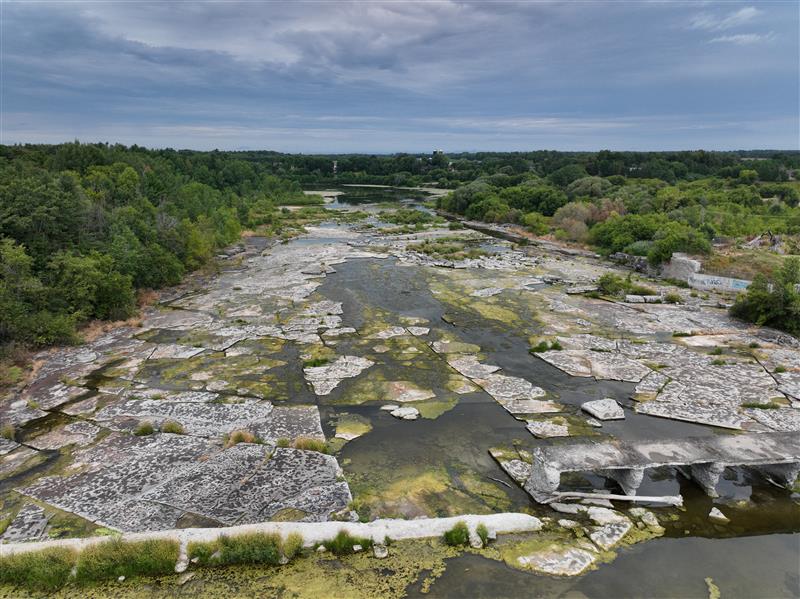
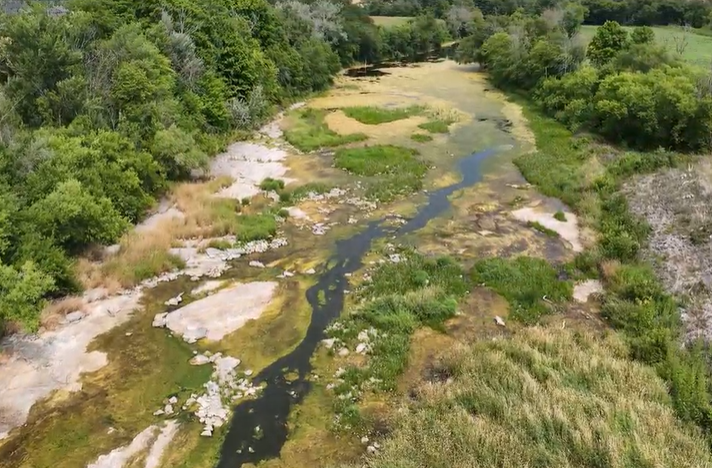
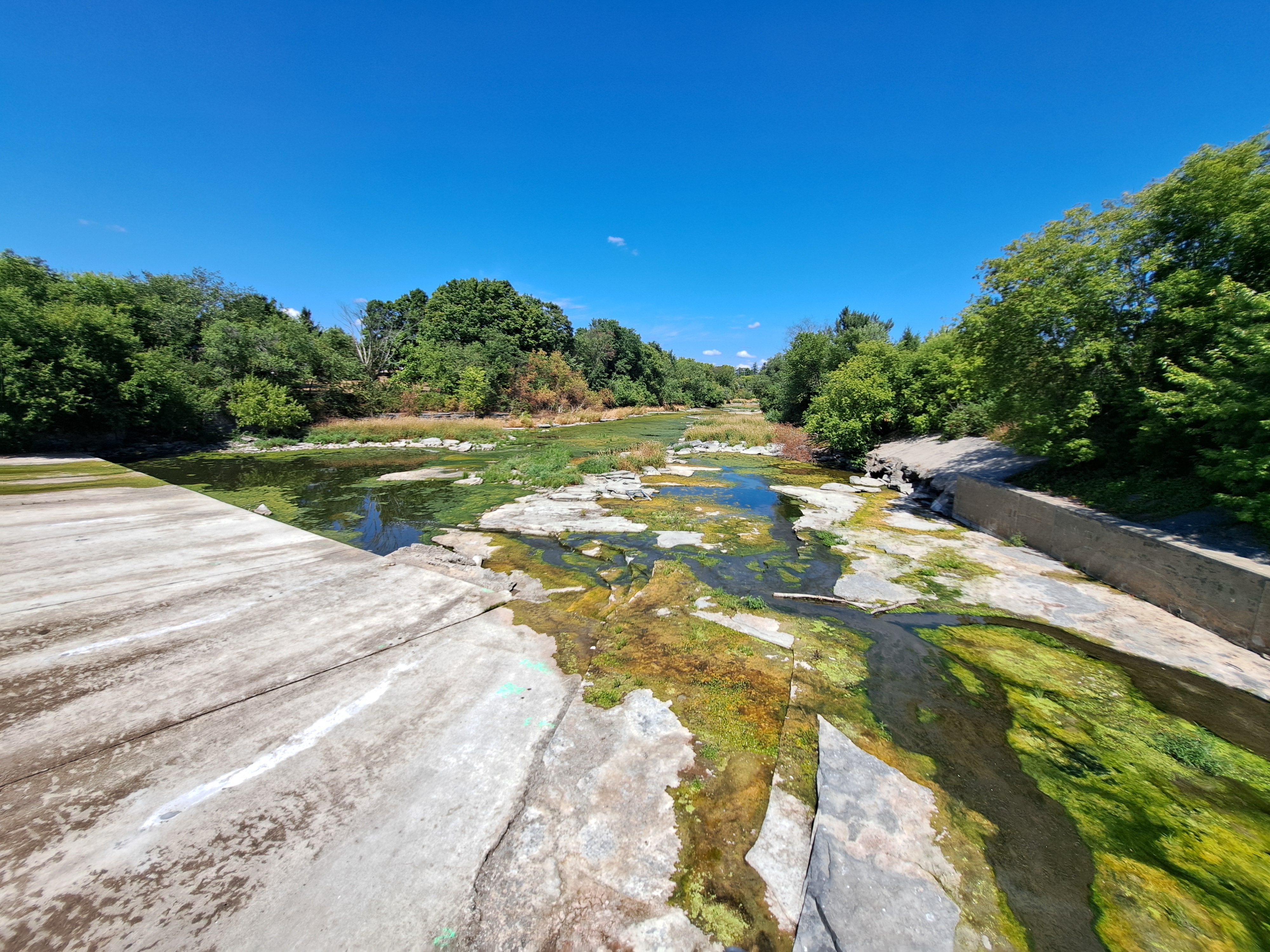
Rural communities facing persistent well water shortages could put municipalities under pressure to extend water services with residents potentially having to pay. The warning comes from Isabelle Skalski, the Ottawa city councillor representing the largely rural ward of Osgoode.
“I don't think we've fully thought through what happens if whole communities run dry,” Skalski said.
If shortages became a long term problem extending municipal water could place a major and potentially unsustainable financial burden on infrastructure, potentially leaving residents to pay the costs, she said.
“I think ultimately if it became a longer term issue where you have whole communities that are not on water it would become a major infrastructure pressure to extend city water to these locations.”
Public funding could not be assumed, she cautioned.
“But it may not be publicly funded. It'd be a situation where people have to pay.”
A township official confirmed a “rough estimate” of approximately 1,400 residential wells in Russell Township, excluding the industrial park.
In Chatham-Kent, a municipality in southwestern Ontario, a September 2024 proposal followed a petition for municipal water and contemplated 4,242 metres of watermain along three roads, affecting 38 properties. The preliminary project estimate was approximately $2.2 million and the estimated assessment for a standard single house was $79,539 including an infrastructure charge. A private service line was estimated at another $1,000 to $3,000 and other connection related costs were additional. Russell Township’s 2016 transportation plan identified about 177 kilometres of roads outside village areas.
After the cost estimates were released, the Chatham-Kent Public Utilities Commission polled affected property owners. Of those who returned ballots, 84 per cent did not support the project and it did not proceed at that time. The proposed supply would not provide fire protection or unrestricted large volume use.
The household stakes are already familiar
Russell Township resident Catherine Italiano told The Rustler that the 2025 drought meant organizing daily life around a dwindling water supply, with showers limited to about 90 seconds and restricted toilet flushing. She said her family had not experienced anything comparable in roughly 20 years of living in Russell Township.
South Nation Conservation reported in September that the watershed had swung from drought in 2025 to a wet summer in 2026, but concerns remain about what another prolonged shortage could require.
Newly elected Russell Township Coun. Dominique Bertrand supports municipal help during emergencies, while questioning how much local government can undertake over the longer term.
“I believe the Township has a responsibility to support residents during an emergency, as it did during the last drought,” she wrote to The Rustler. “However, we also need to be realistic about what a municipality can reasonably take on financially and operationally.”
Coun. Lisa Deacon called for provincial leadership on a long term, science based approach to water supplies, with municipalities contributing through emergency response, planning and their work with conservation authorities.
Louis Prévost, director of planning and forestry for the United Counties of Prescott and Russell, said proponents creating new lots on private services must demonstrate through a technical assessment that a reliable long term supply of potable groundwater is available in sufficient quantity and quality.
South Stormont confronts the extension question
In South Stormont residents brought the issue to council during the 2025 drought, and the municipality considered a petition for municipal water along County Road 36 from St. Andrews West toward County Road 33. The petition carried 29 signatures and identified approximately 40 properties fronting the proposed route.
The report noted dry wells and drought conditions and identified work needed before an extension could proceed, including investigating supply capacity, planning requirements and costs. The approach contemplated the township paying for a feasibility study and benefiting property owners paying for the extension.
Meanwhile, South Stormont said in November 2025 it was not equipped to provide large quantities of drinking water. An arena was available for showers and for residents to fill personal containers. During the drought, Russell Township set up water distribution for residents to collect water.
Smaller pipes, but important limits
Carlsbad Springs’ trickle feed system offers one example of a different approach. It gradually supplies water to storage at individual properties. A household pump then supplies the home allowing smaller pipes than a conventional system designed for larger instantaneous demands. A regional report said construction was completed in 1997 and included approximately 43 kilometres of pipe and cost 65 per cent less than a conventional approach. Ontario provided 70 per cent of the funding. The project followed documented problems with existing wells including poor water quality and wells running dry.
But the system does not provide water for fire protection, prohibits outdoor water use and has capacity constraints. It is not a demonstrated solution for irrigating fields or meeting agricultural water needs.
Skalski said cisterns and other household water storage technology could provide options for improving resilience through dry periods.
The Township of North Dundas expanded its municipal groundwater supply when its Wellfield 8 project began supplying water in May 2026. The new groundwater source is connected to the municipal water system and supplies 20 litres per second. The federal government contributed $1.9 million and the province $1.6 million, with remaining costs funded through water rates and future connection charges. Planning preceded the 2025 drought and addressed reliability and growth as well.