Gunshots in the distance? It’s hunting season
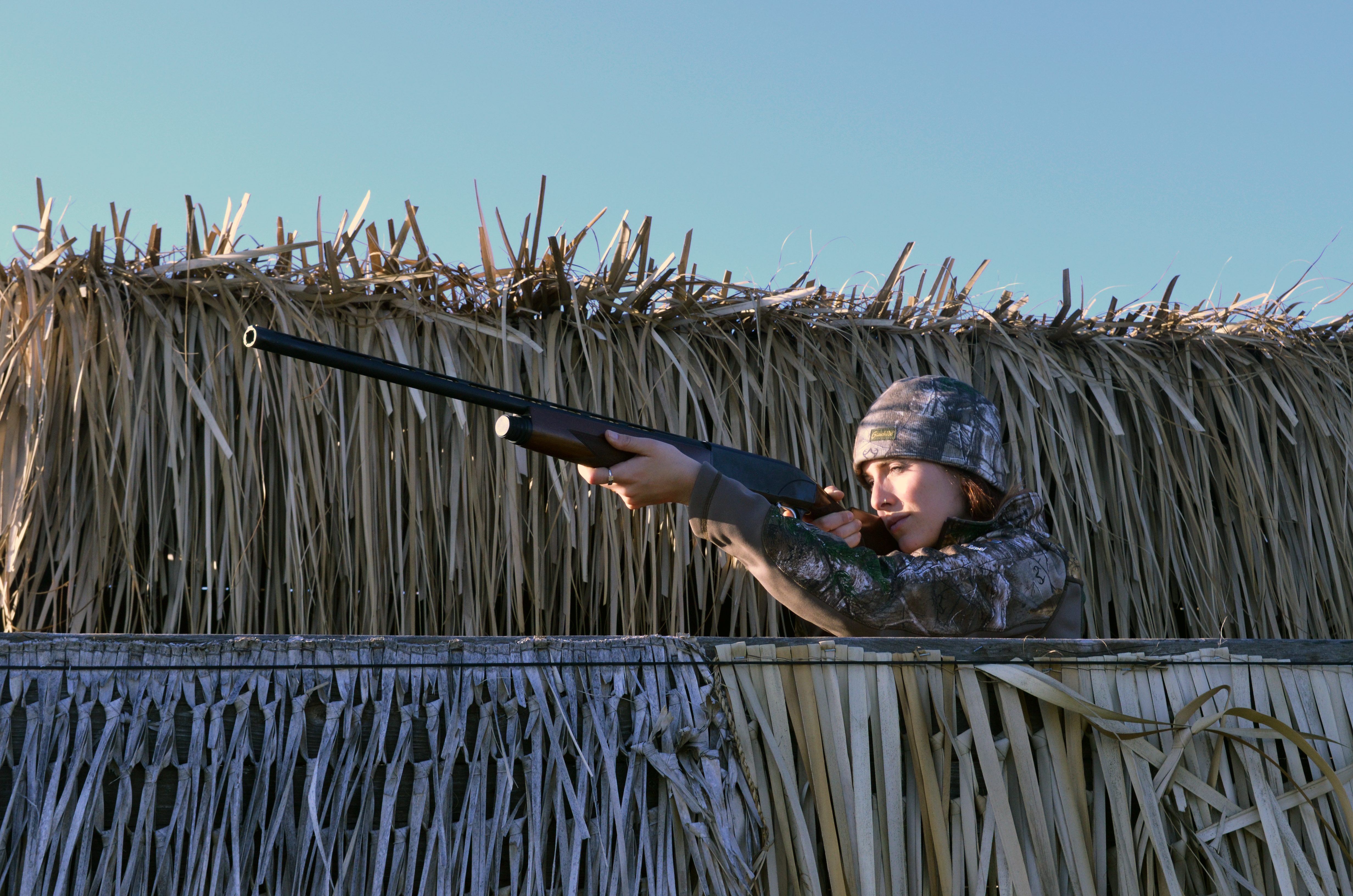
The sound of a shotgun blast may carry for kilometres and create apprehension in homeowners wondering how close those weapons really are but local hunting experts say there’s very little to be worried about with modern licensing, training, laws, and the relatively limited distance that most hunting ammunition can travel.
“Responsible hunters are trained to positively identify their target and know what’s beyond it before taking a shot. If there’s any uncertainty, you simply don’t shoot,” said Miguel Bélisle of Embrun’s Born To Hunt. Every hunter needs to know where they are standing, what lies beyond the target, and whether the season is open. The Ministry of Natural Resources says careless hunting is not common in this area.
Hunting almost always is contained within a much smaller area than most people probably think. Shotgun pellets used for turkey and waterfowl hunting may travel several hundred metres while deer hunters using shotguns may use a slug whose range can exceed 730 metres according to Ontario’s Hunter Education Manual published by the Ontario government.
Researchers from Michigan’s Department of Natural Resources in 2017 determined that the sound from a 12-gauge shotgun could be heard 3.2 kilometres away at one test site.
Sound can carry a long way in some conditions, but wind, the shape of the land and vegetation all affect the results. The tests included bursts of shots and single shots.
A shotgun shell may contain many small pellets called shot or one projectile called a slug. Ontario’s Hunter Education Manual warns that shotshell pellets may travel several hundred metres and can still injure unprotected eyes. Ammunition can travel beyond the range at which it is useful for hunting.
The township’s rules put further limits on where shooting can take place. Firearms By-Law 65-2009 prohibits discharge in hamlets, villages and village limits, subdivisions and other built-up areas. It also covers navigable waters within or beside those areas. Hunters cannot shoot on, over or across highways or public land in the township, including parks and conservation areas. The bylaw also sets a 300 metre buffer around places of worship, community centres, community sports facilities, public halls and school property. Bows and crossbows are included in its definition of a firearm.
Bélisle says on private land the first step is finding out who owns it and then ask for permission. Ontario tells hunters to obey posted signs and other notices. However, a field without a sign is not necessarily open to hunters and a hunting licence does not give its holder permission to enter someone else’s property.
Jeremy Jackson, the Ministry of Natural Resources’ area enforcement manager for Kemptville, said complaints about shooting near homes are common but officers do not often encounter careless hunting.
“It’s not a common thing, it’s not like a daily thing, but we do get a handful of those complaints.”
Before most Ontario residents can get a hunting licence they must pass the Ontario Hunter Education Course and its exam. The course covers safety, hunting laws, wildlife identification, equipment and a hunter’s responsibilities.
Hunters generally also need a valid Outdoors Card, the right hunting licence and any required tag.
The requirements depend on what they are hunting. Turkey hunters need a small-game licence and turkey tag. Deer hunters need the appropriate licence and tag subject to party hunting rules. Ducks and geese also require a federal Migratory Game Bird Hunting Permit and Canadian Wildlife Habitat Conservation Stamp.
Hunting with a gun brings another training requirement.
Ontario accepts a valid Possession and Acquisition Licence (PAL), a valid Minor’s Licence or proof of completing the Canadian Firearms Safety Course as firearms accreditation. Someone relying only on course completion proof must hunt under the direct and immediate supervision of a valid PAL holder. Bow and crossbow hunters do not need that firearms accreditation.
Russell is in wildlife management unit 65, and hunters must check the date for that unit, the animal and the weapon they plan to use.
During an open season, deer, fall turkey and waterfowl hunting is generally limited to half an hour before sunrise until half an hour after sunset. Night raccoon hunting has specific legal conditions, while spring turkey hunting has its own daily closing time.
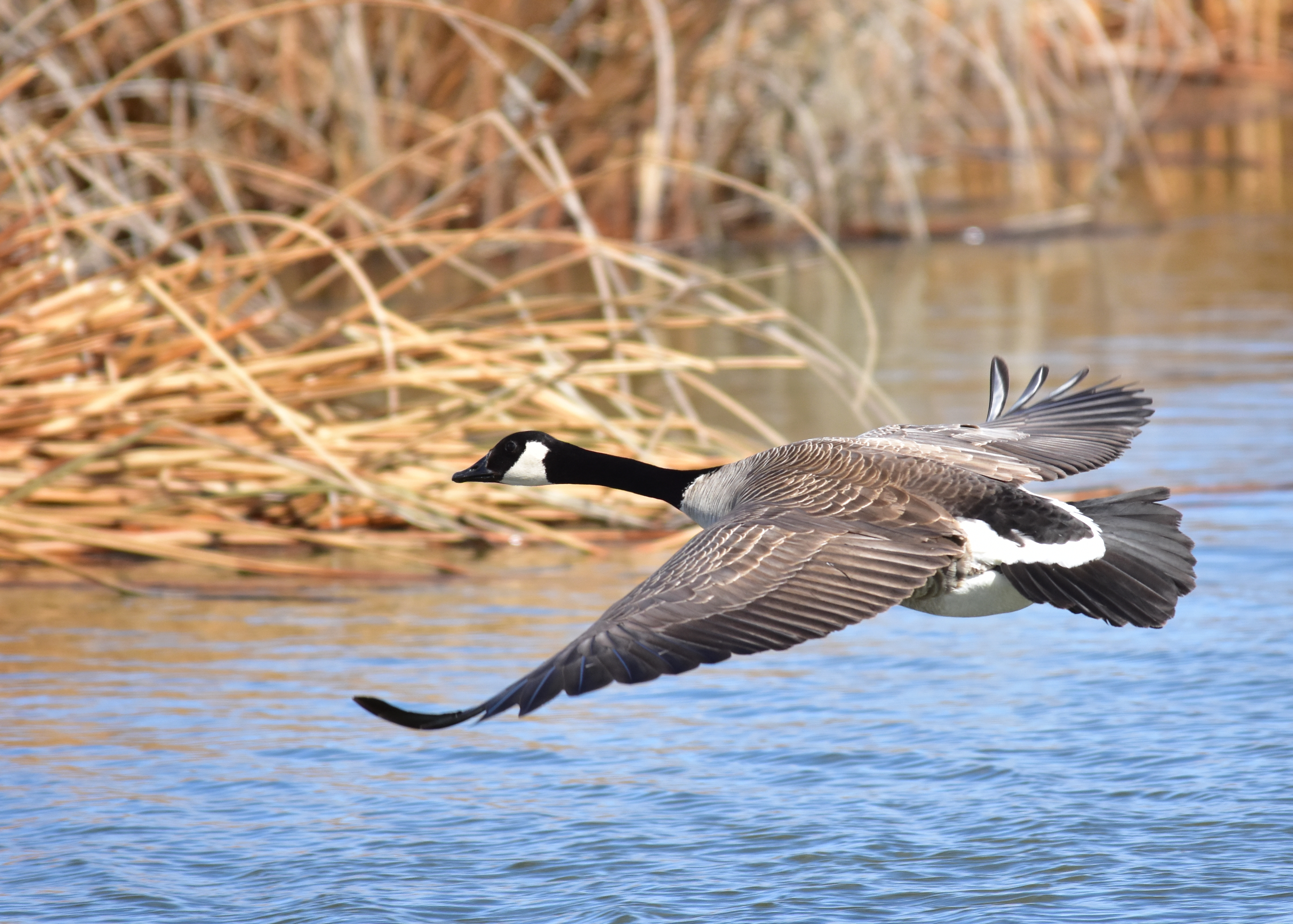
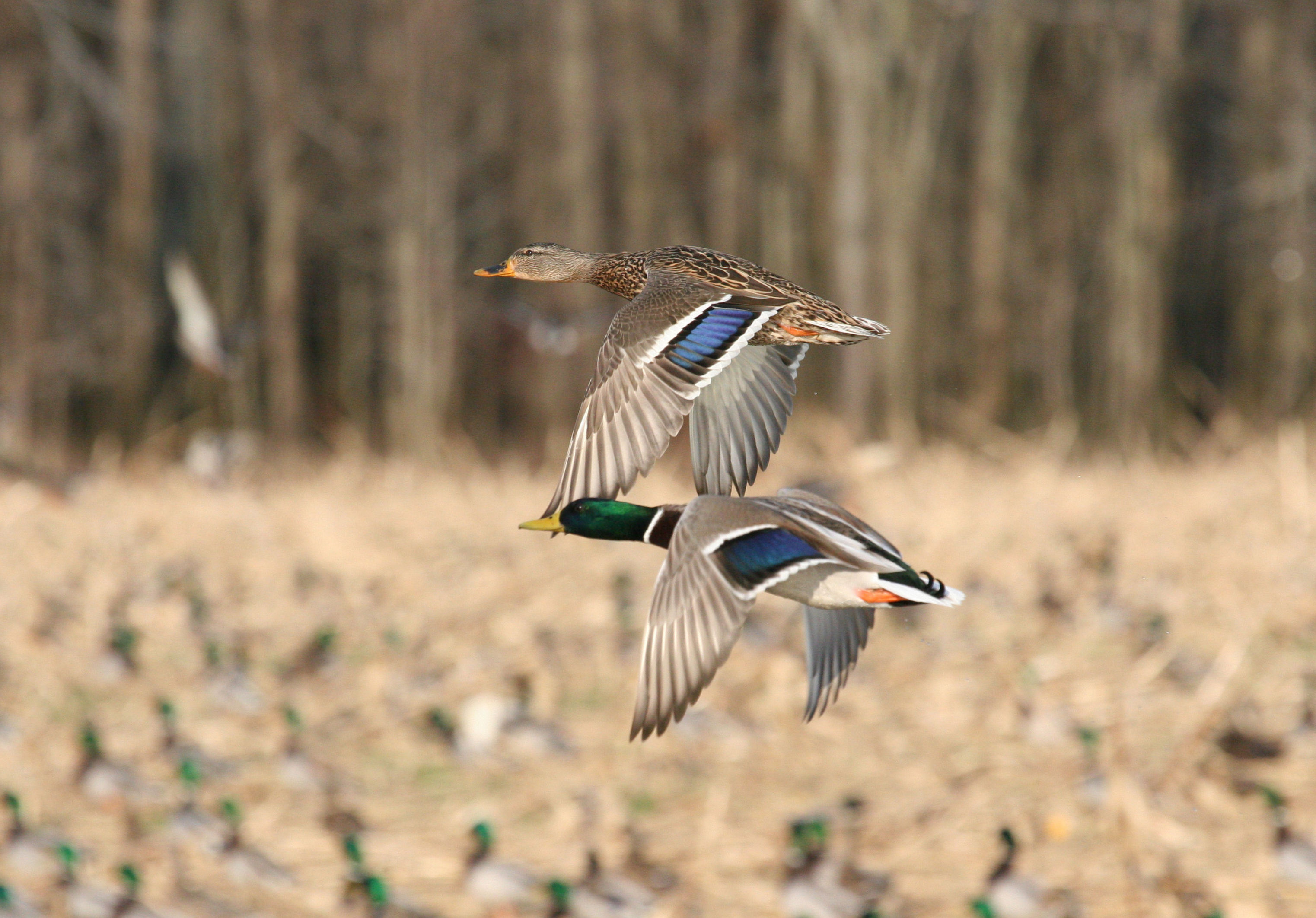
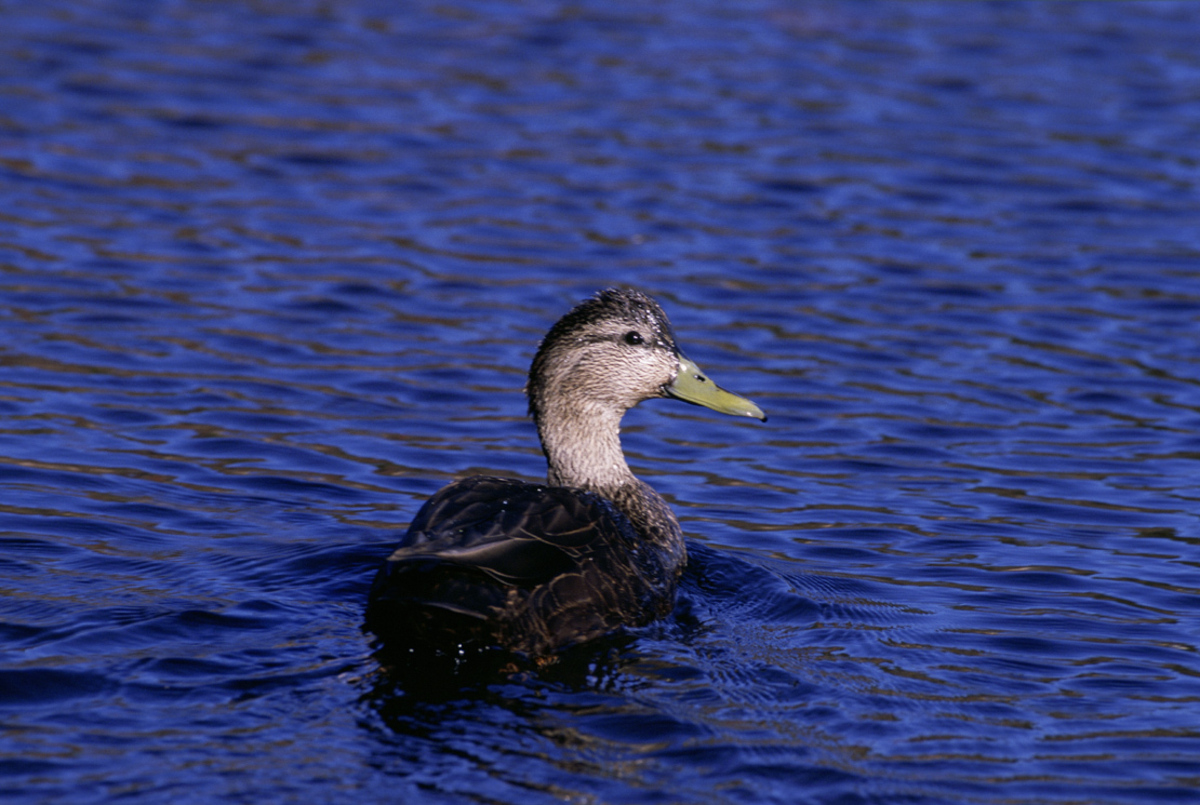
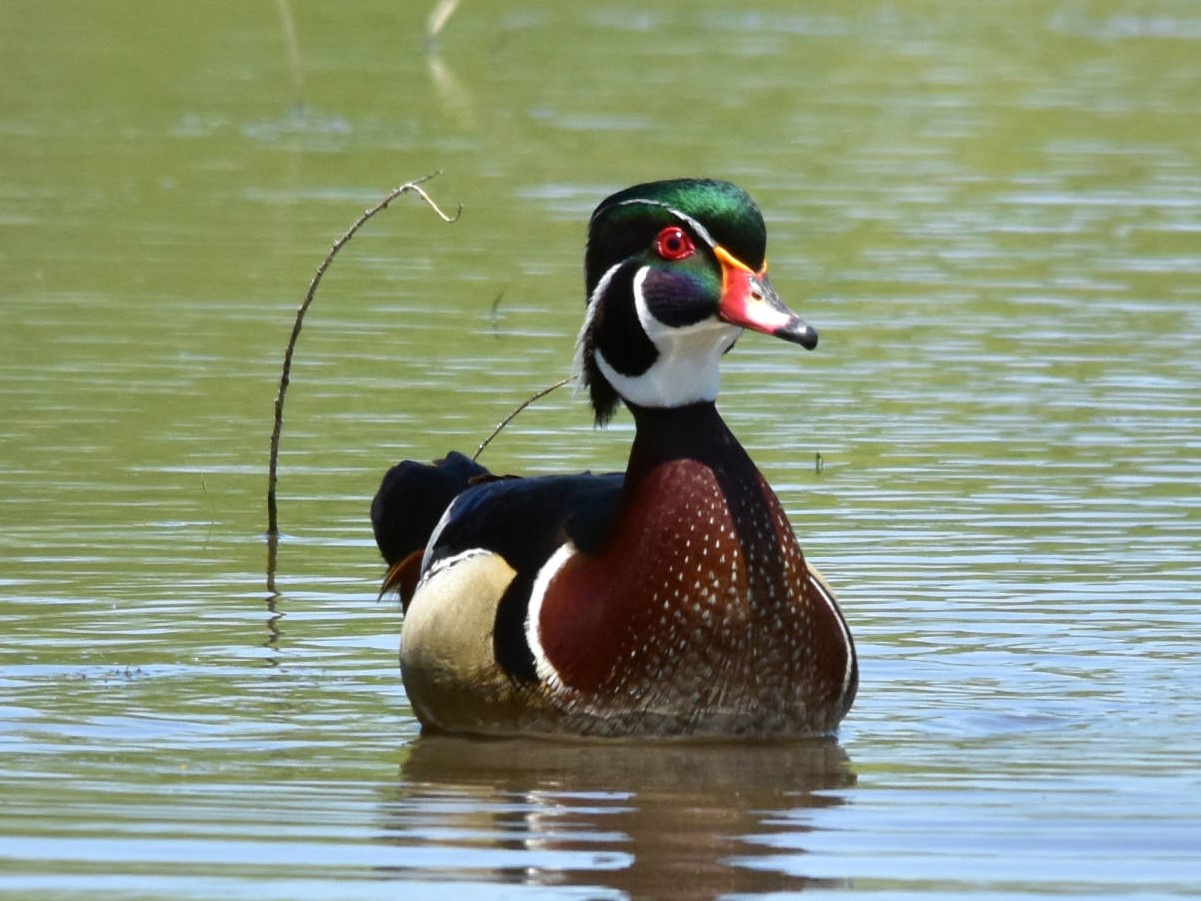
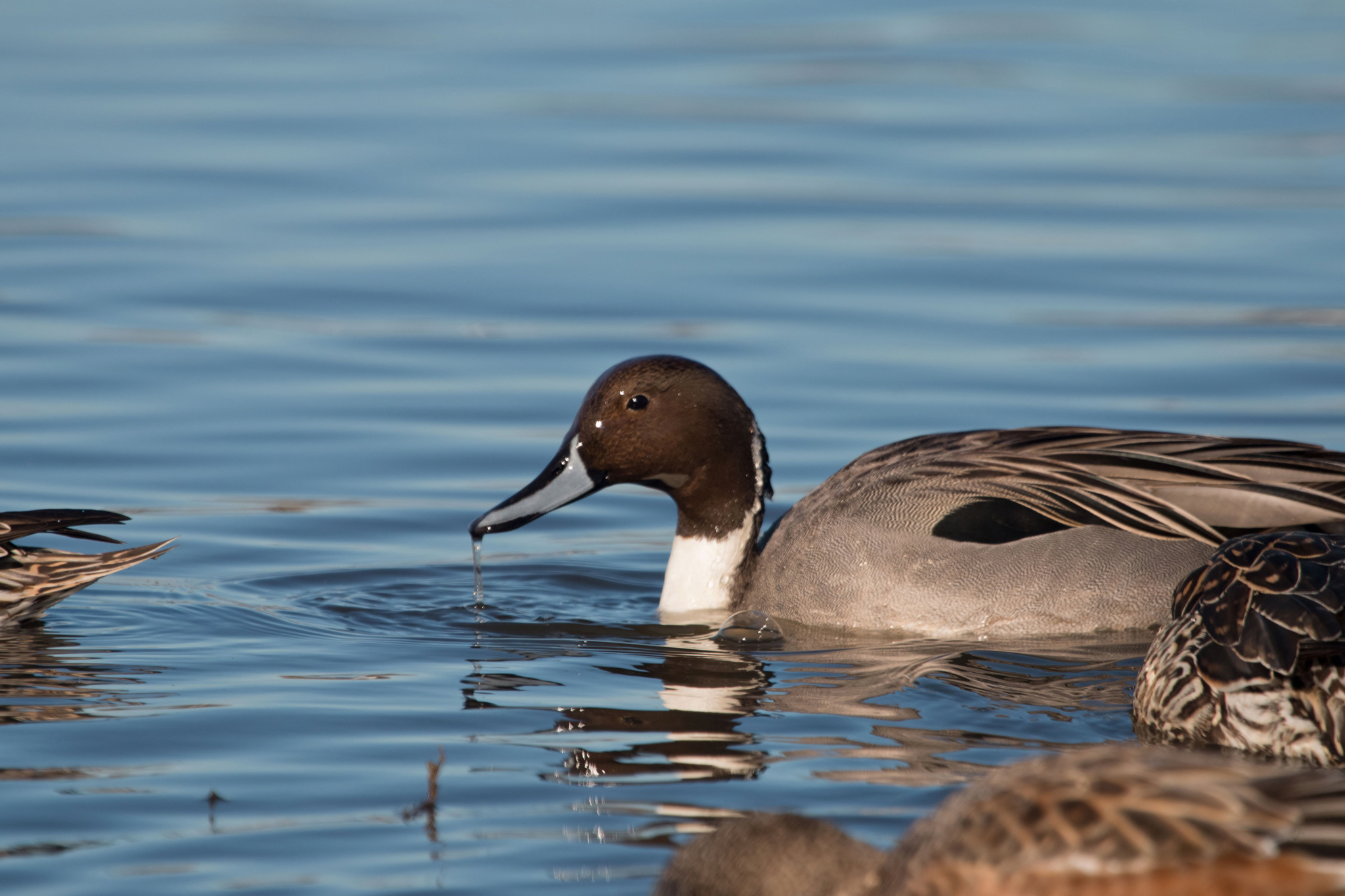
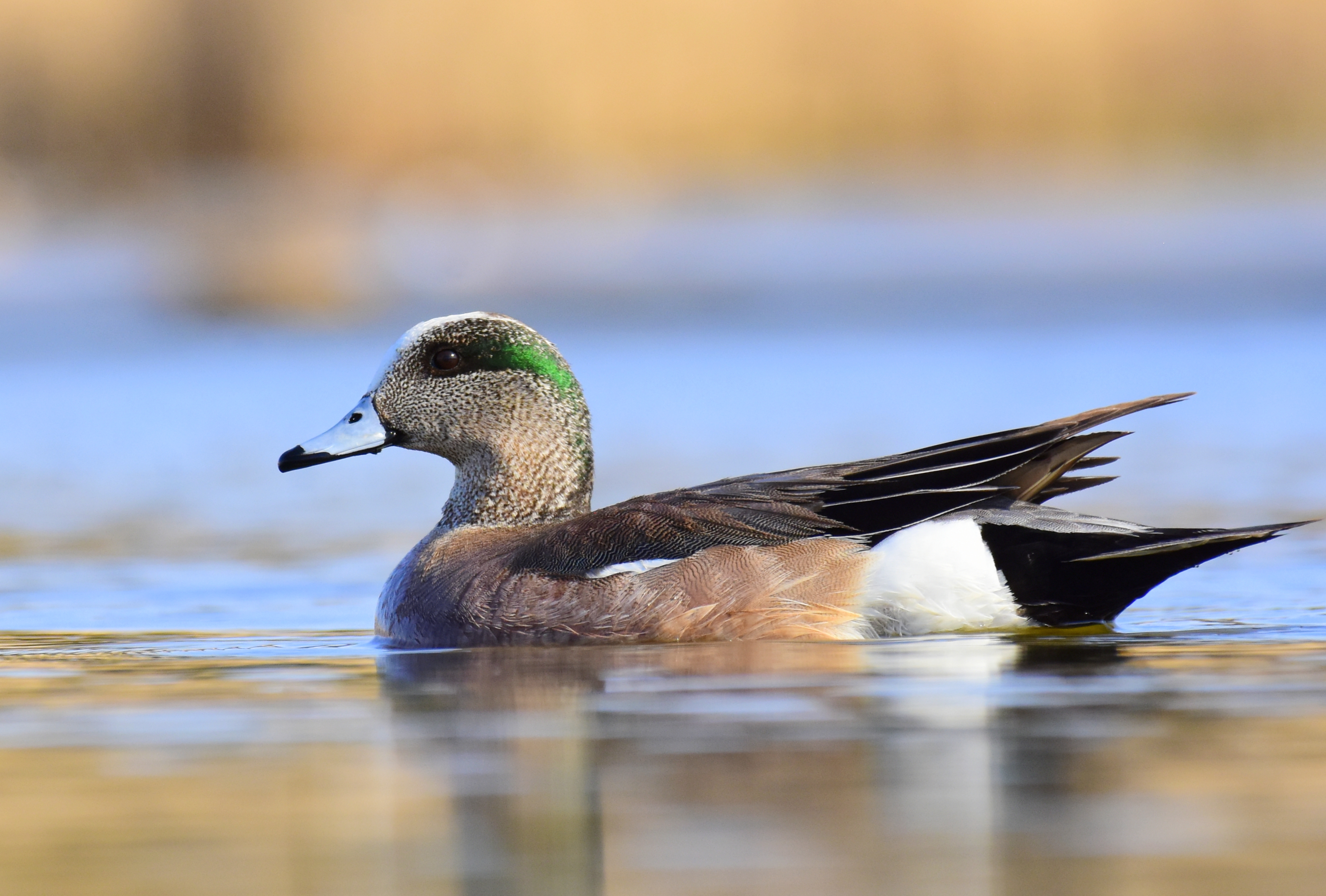
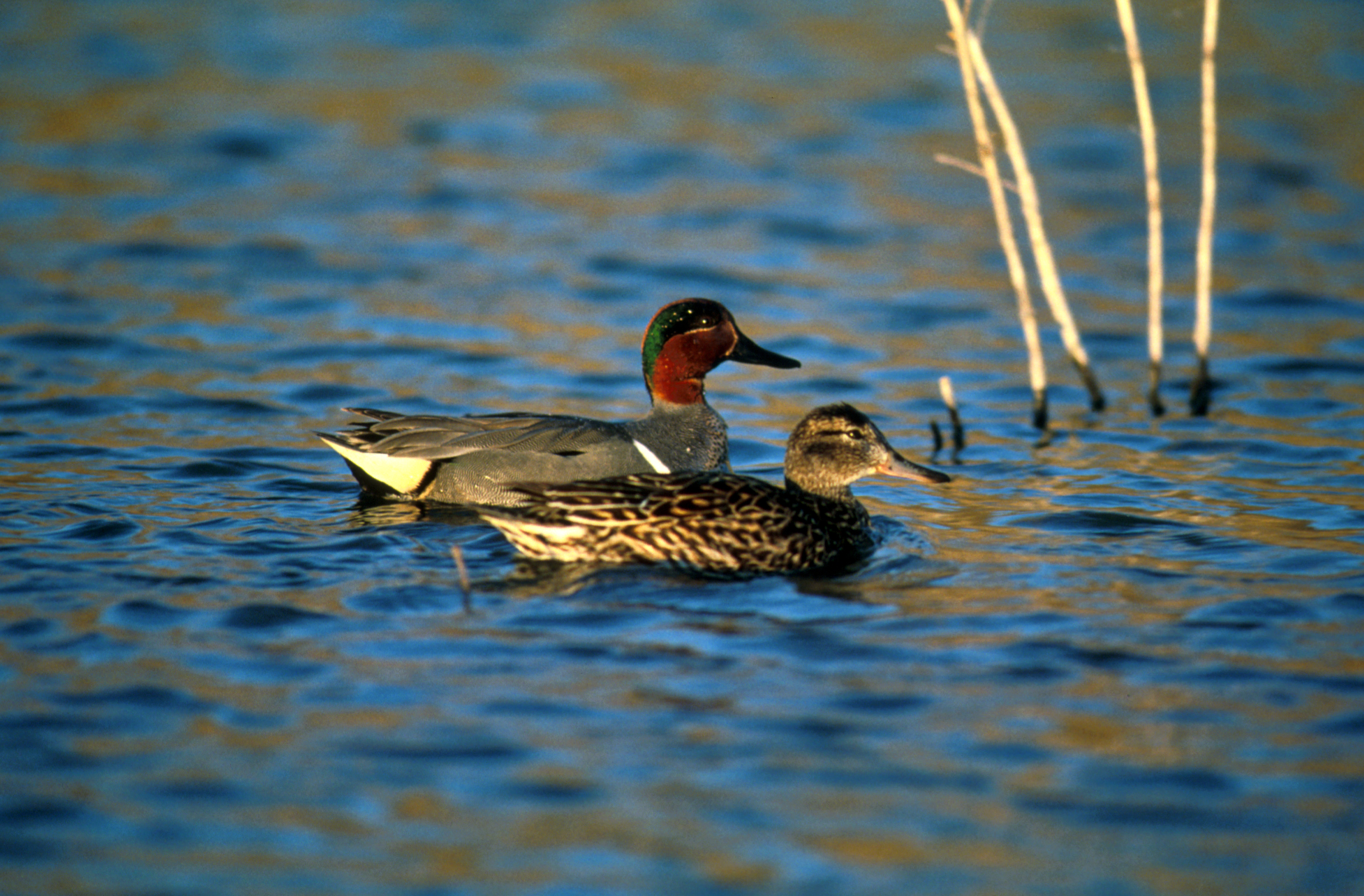
Russell Township is a magnet for waterfowl hunters including those who hunt geese and ducks.
“Russell Township in Ontario is within the Atlantic Flyway; it is closer to the western edge of this flyway,” Shawn Meyer, a waterfowl biologist with the Canadian Wildlife Service in Ontario, wrote.
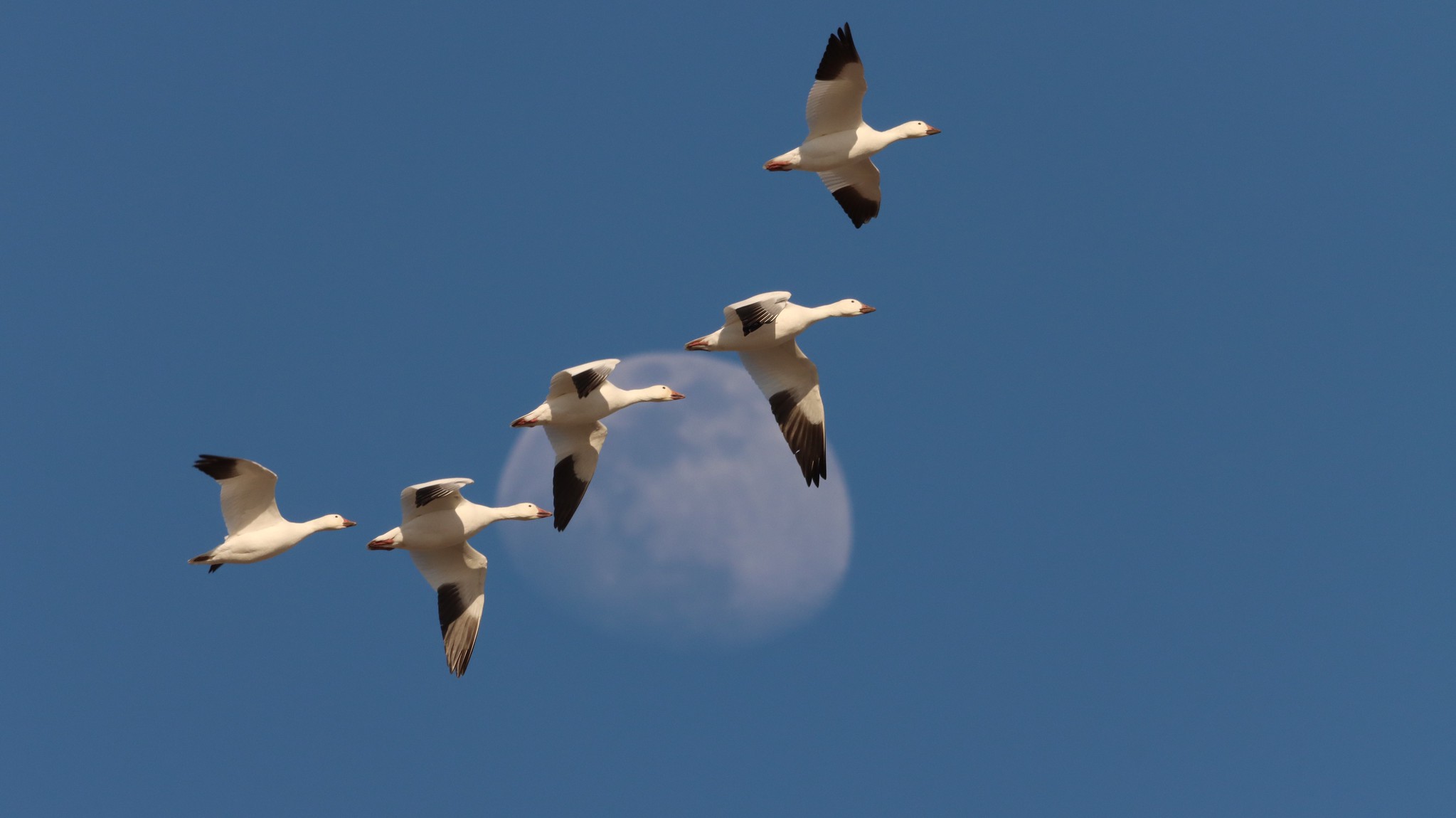
Meyer described the area as a major migration route for Atlantic Population Canada geese. Those birds nest in northern Quebec, stop in the region on their southward journey and winter along the Atlantic coast. Greater Snow Geese also use the area, especially in spring.
That activity supports guiding and outfitting work which has sprung up to support a notable influx of hunters from outside of this area. Naomi Langlois-Anderson, South Nation Conservation’s senior fish and wildlife technician, said commercial guiding and outfitting companies typically lease large tracts of farmland in and around Russell.
“Huge flocks of geese descend on crop fields, and it is breathtaking to watch them land in fields. The Snow Geese often do a spiral descent that is really amazing to see!” she said.
For people out walking in forested areas, Bélisle recommends bright clothing, a bright vest for a dog, staying on designated trails and respecting private property.
Anyone facing an emergency or immediate danger should call 911. The OPP’s non-emergency number is 1-888-310-1122. Suspected hunting or other natural-resource violations can be reported to the Ministry of Natural Resources at 1-877-847-7667.