
From Russell to Flanders Fields
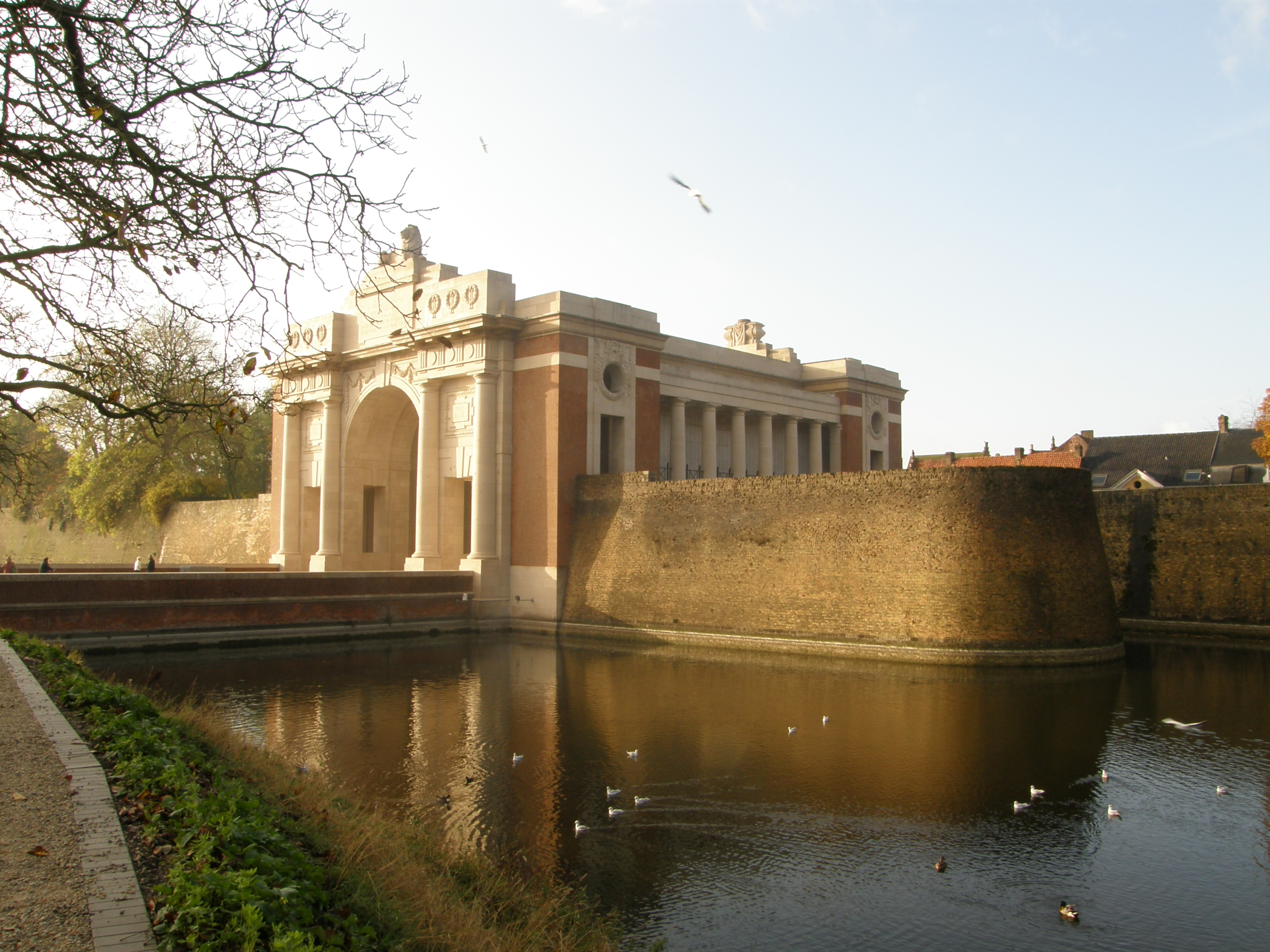
It goes without saying that Canadians are well-acquainted with the poem “In Flanders Fields”. That iconic tribute to the death of a soldier in WWI is read at Remembrance Day every November 11 and captures the sadness and harsh reality of the “war to end all wars”. There are probably many who can cite it in its entirety.
But did you know that the poem has a very close tie to Russell?
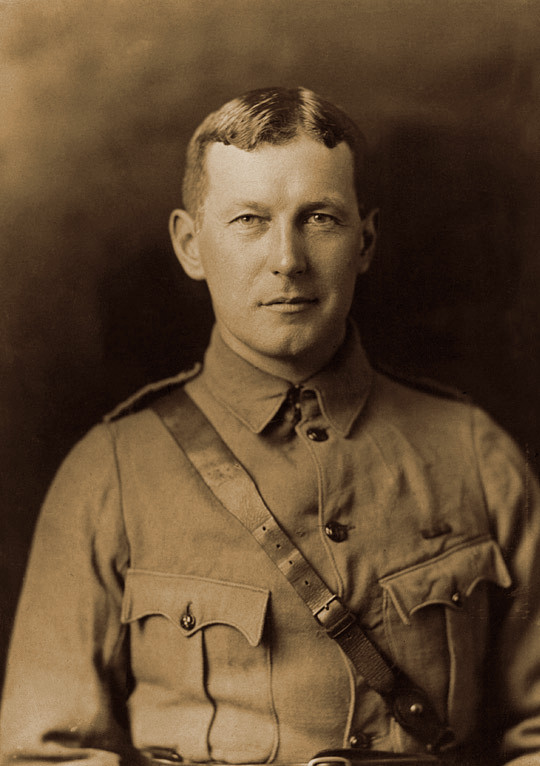
Well, it does. This short piece was penned by Canadian soldier and physician John McCrae in 1915 after he presided over the funeral of his friend Lieutenant Alexis Helmer, who died on May 2 of that year during the Second Battle of Ypres from the burst of a high explosive canon shell. He was killed instantly and buried that same day: McCrae wrote his poem a day later.
The Helmer family had deep roots in Russell. Lieutenant Helmer’s father, Brigadier-General Richard Alexis Helmer, was himself part of a longstanding miliary family: his uncle William Zeaman Helmer had served in the 43rd Ottawa and Carleton Rifles and became captain of the No. 8 Company in Duncanville (the original name for Russell) during the Fenian threat of the 1860s, his grandfather Richard had fought at the Battle of the Windmill (near the present location of Prescott) in 1838, and one great grandfather, Johannes Pillar, had fought in the War of 1812 while his second great grandfather, John Philip Helmer, served in the King’s Royal Regiment in New York during the American Revolution.
While Lieutenant Helmer was born in Ottawa, not Russell, his lineage to our village is strong. He was one of more than 620,000 Canadians who signed up beginning in 1914 to fight for our country in Europe, 67,000 of whom never came home (and more than 11,000 of whom are inscribed in the Vimy Memorial in France as having no known grave). A young man cut down in the prime of his life.
As we pause to remember the ‘ultimate sacrifice’ made by so many on November 11 (at the “11th hour of the 11th day of the 11th month”) let us also recall the many who left our village to fight for freedom, some of whom never returned.
In Flanders Fields
In Flanders fields, the poppies grow Between the crosses, row on row, That mark our place; and in the sky The larks, still bravely singing, fly Scarce heard amid the guns below.
We are the Dead. Short days ago We lived, felt dawn, saw sunset glow, Loved and were loved, and now we lie, In Flanders fields.
Take up our quarrel with the foe: To you from failing hands we throw The torch; be yours to hold it high. If ye break faith with us who die We shall not sleep, though poppies grow In Flanders fields.
For more information on Russell’s contribution to WWI you can check out RDHS member Phil Gurski’s 2020 book From village to Vimy to victory (available at the Russell Library).